Карточка документа

ARTIFICIAL INTELLIGENCE MOVING AGENT

ID US20190392254A1_20191226
Страна US Номер 20190392254 Вид A1 Дата 2019.12.26

Основная информация

Страна публикации
US
Номер документа
20190392254
Вид документа
A1
Дата публикации
2019.12.26
Номер заявки
16563531
Дата подачи заявки
2019.09.06
Номер приоритетной заявки
Нет данных
Дата приоритета
Нет данных
Страна приоритета
Нет данных

Классификация

МПК

  • G06K9/62
    Раздел G
    Класс 06
    Подкласс K
  • B25J9/16
    Раздел B
    Класс 25
    Подкласс J
  • B25J11/00
    Раздел B
    Класс 25
    Подкласс J
  • G06K9/46
    Раздел G
    Класс 06
    Подкласс K
  • G06N3/04
    Раздел G
    Класс 06
    Подкласс N
  • G06N3/08
    Раздел G
    Класс 06
    Подкласс N

CPC / СПК

  • B25J9/163
    Раздел B
    Класс 25
    Подкласс J
  • B25J11/0085
    Раздел B
    Класс 25
    Подкласс J
  • G06K9/6254
    Раздел G
    Класс 06
    Подкласс K
  • G06K9/6256
    Раздел G
    Класс 06
    Подкласс K
  • G06N3/08
    Раздел G
    Класс 06
    Подкласс N
  • G06K9/00664
    Раздел G
    Класс 06
    Подкласс K
  • G06K9/46
    Раздел G
    Класс 06
    Подкласс K
  • G06K9/6257
    Раздел G
    Класс 06
    Подкласс K
  • G06K9/6263
    Раздел G
    Класс 06
    Подкласс K
  • G06N3/006
    Раздел G
    Класс 06
    Подкласс N
  • G06N3/04
    Раздел G
    Класс 06
    Подкласс N
  • G06N3/0454
    Раздел G
    Класс 06
    Подкласс N
  • G06N3/0472
    Раздел G
    Класс 06
    Подкласс N
  • G06N7/005
    Раздел G
    Класс 06
    Подкласс N

Служебные сведения

Dataset
us
Index
may22_us

Участники

Заявители

  • LG ELECTRONICS INC.
  • LG ELECTRONICS INC
  • LG ELECTRONICS INC.

Авторы / изобретатели

  • Seungkyun OH
  • Sanghoon KIM
  • Jinseok IM
  • OH SEUNGKYUN
  • KIM SANGHOON
  • IM JINSEOK
  • OH, Seungkyun
  • KIM, Sanghoon
  • IM, Jinseok

Патентообладатели

  • LG ELECTRONICS INC.

Реферат

An artificial intelligence moving agent is provided. The artificial intelligence moving agent includes: a camera configured to photograph an image, and a processor configured to photograph an object, acquire type information of the object by providing an image of the photographed object to an artificial intelligence model, acquire correction type information designated by a user with respect to the image of the photographed object, and train the artificial intelligence model by using the correction type information.

Формула

1 . An artificial intelligence moving agent comprising:

a camera configured to photograph an image; and

a processor configured to:

photograph an object,

acquire type information of the object by providing an image obtained by photographing the object to an artificial intelligence model,

acquire correction type information designated by a user with respect to the image obtained by photographing the object, and

train the artificial intelligence model by using the correction type information.

2 . The artificial intelligence moving agent according to
claim 1
, further comprising a communicator configured to communicate with a terminal of the user, wherein

the processor transmits the image obtained by photographing the object and the type information of the object to the terminal, receives the correction type information designated by the user with respect to the image obtained by photographing the object from the terminal, and trains the artificial intelligence model by using the correction type information.

3 . The artificial intelligence moving agent according to
claim 2
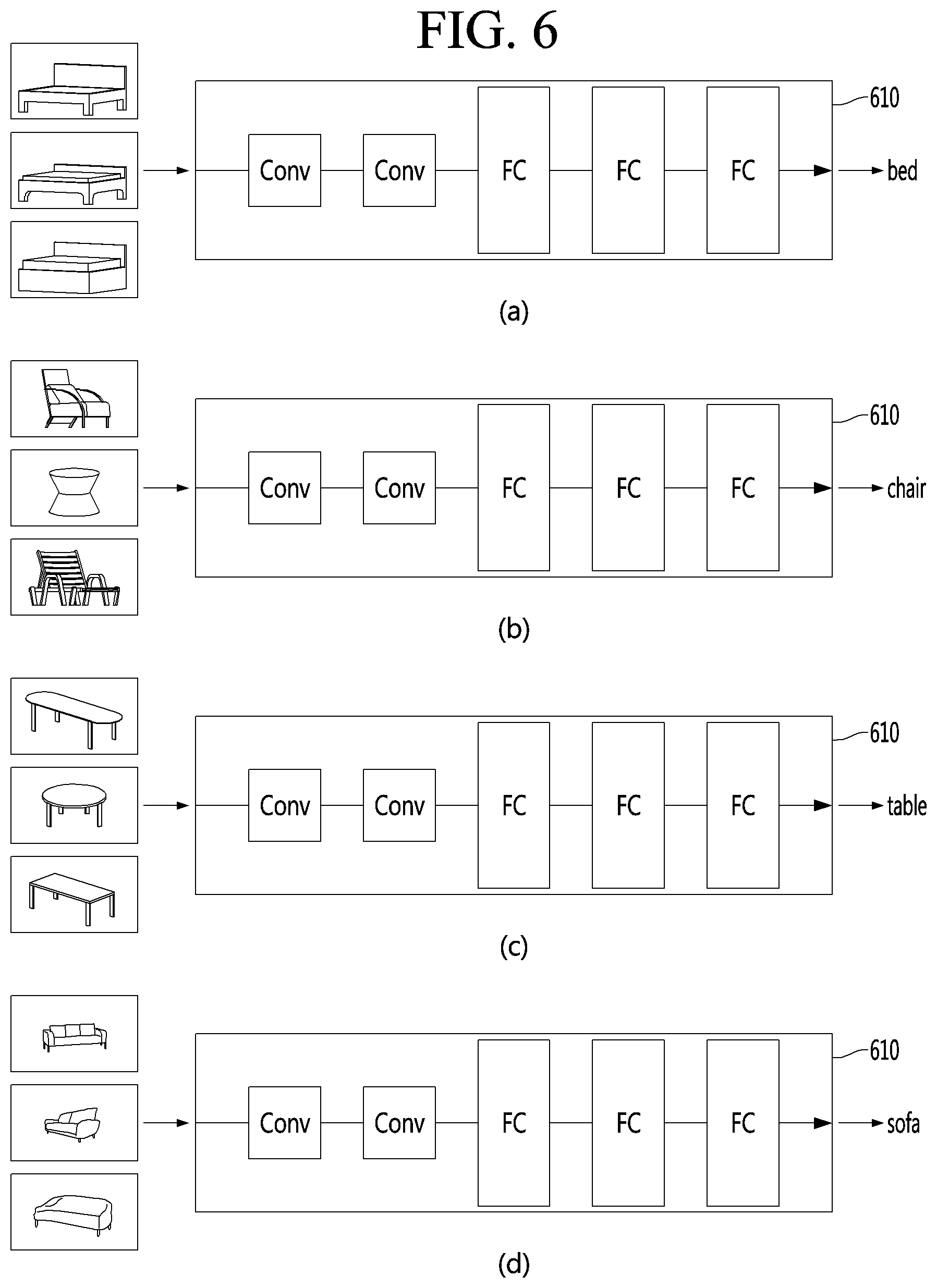
, wherein the artificial intelligence model includes a neural network trained using images of various training objects and type information labeled on each of the images of the various training objects.

4 . The artificial intelligence moving agent according to
claim 2
, wherein the processor trains the artificial intelligence model by using the image obtained by photographing the object and the correction type information labeled on the image obtained by photographing the object.

5 . The artificial intelligence moving agent according to
claim 2
, wherein the artificial intelligence model extracts a feature vector for a training object, outputs a result value corresponding to the training object by using the feature vector extracted from the training object, and sets a parameter by using the result value corresponding to the training object and type information labeled on the training object, before the artificial intelligence model is mounted on the artificial intelligence moving agent; and extracts a feature vector for the object, outputs a result value corresponding to the object by using the feature vector extracted from the object, and sets a parameter by using the result value corresponding to the object and the correction type information, after the artificial intelligence model is mounted on the artificial intelligence moving agent.

6 . The artificial intelligence moving agent according to
claim 4
, wherein the processor provides a second image obtained by photographing the object to the trained artificial intelligence model, and acquires the correction type information outputted by the trained artificial intelligence model.

7 . The artificial intelligence moving agent according to
claim 2
, wherein the artificial intelligence model outputs a result value including type information of the object and a confidence score of the object, and the processor transmits the image obtained by photographing the object and the type information of the object to the terminal when the confidence score is lower than a preset value.

8 . The artificial intelligence moving agent according to
claim 2
, further comprising a memory configured to store data, wherein

the processor stores a result value for at least one object existing in a specific space into the memory, and re-trains the trained artificial intelligence model when the result value is changed.

9 . The artificial intelligence moving agent according to
claim 8
, wherein the processor transmits an image obtained by photographing the at least one object existing in the specific space to the terminal when the result value is changed, and re-trains the trained artificial intelligence model by using a feedback received from the terminal.

10 . A method of operating an artificial intelligence moving agent, the method comprising:

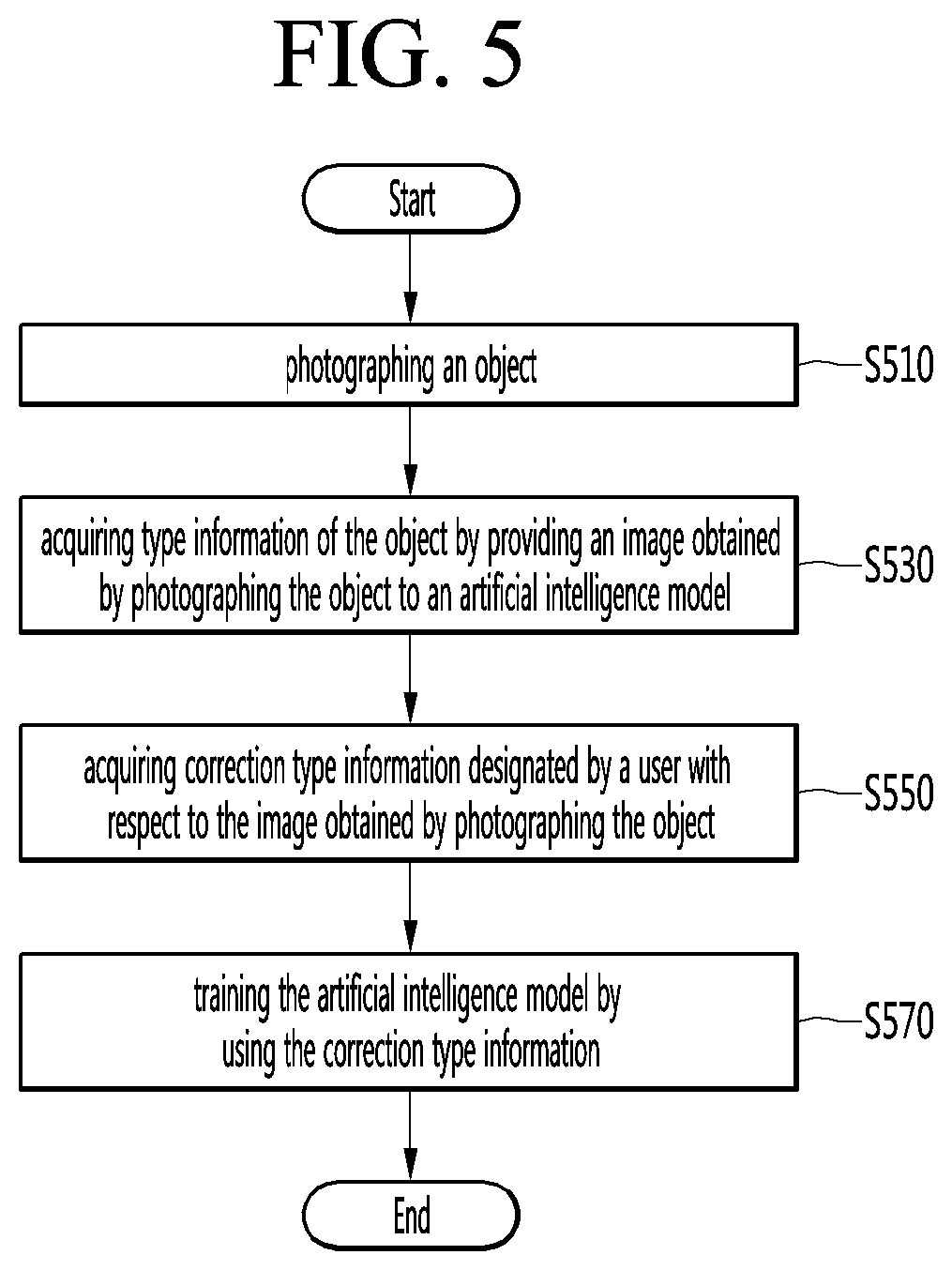
photographing an object;

acquiring type information of the object by providing an image obtained by photographing the object to an artificial intelligence model;

acquiring correction type information designated by a user with respect to the image obtained by photographing the object; and

training the artificial intelligence model by using the correction type information.

11 . The method according to
claim 10
, wherein the acquiring of the correction type information includes:

transmitting the image obtained by photographing the object and the type information of the object to a terminal; and

receiving the correction type information designated by the user with respect to the image obtained by photographing the object from the terminal.

12 . The method according to
claim 11
, wherein the artificial intelligence model includes a neural network trained using images of various training objects and type information labeled on each of the images of the various training objects.

13 . The method according to
claim 11
, wherein the training of the artificial intelligence model includes: training the artificial intelligence model by using the image obtained by photographing the object and the correction type information labeled on the image obtained by photographing the object.

14 . The method according to
claim 10
, wherein the artificial intelligence model extracts a feature vector for a training object, outputs a result value corresponding to the training object by using the feature vector extracted from the training object, and sets a parameter by using the result value corresponding to the training object and type information labeled on the training object, before the artificial intelligence model is mounted on the artificial intelligence moving agent; and extracts a feature vector for the object, outputs a result value corresponding to the object using the feature vector extracted from the object, and sets a parameter using the result value corresponding to the object and the correction type information, after the artificial intelligence model is mounted on the artificial intelligence moving agent.

15 . The method according to
claim 14
, further comprising:

providing a second image obtained by photographing the object to the trained artificial intelligence model, and

acquiring the correction type information outputted by the trained artificial intelligence model.

16 . The method according to
claim 11
, wherein the artificial intelligence model outputs a result value including type information of the object and a confidence score of the object, and

the transmitting of the type information of the object to the terminal includes: transmitting the image obtained by photographing the object and the type information of the object to the terminal when the confidence score is lower than a preset value.

17 . The method according to
claim 11
, further comprising:

storing a result value for at least one object existing in a specific space in the memory; and

re-training the trained artificial intelligence model when the result value is changed.

18 . The method according to
claim 17
, wherein the re-training of the trained artificial intelligence model when the result value is changed includes:

transmitting an image obtained by photographing the at least one object existing in the specific space to the terminal when the result value is changed, and

re-training the trained artificial intelligence model by using a feedback received from the terminal.

Описание

CROSS-REFERENCE TO RELATED APPLICATIONS
[0001]
Pursuant to 35 U.S.C. § 119(a), this application claims the benefit of earlier filing date and right of priority to Korean Patent Application No. 10-2019-0100577, filed on Aug. 16, 2019, the contents of which are hereby incorporated by reference herein in its entirety.

BACKGROUND
[0002]
The present disclosure relates to an artificial intelligence moving agent, which is a moving agent capable of object recognition, to train an artificial intelligence model performing the object recognition by using labeling data directly inputted by a user.

[0003]
Artificial intelligence (AI) is one field of computer engineering and information technology for studying a method of enabling a computer to perform thinking, learning, and self-development that can be performed by human intelligence and may denote that a computer imitates an intelligent action of a human.

[0004]
In addition, the artificial intelligence is directly or indirectly associated with other fields of computer engineering without being individually provided. Particularly, at present, in various fields of information technology, an attempt to introduce AI components and use the AI components in solving a problem of a corresponding field is being actively done.

[0005]
Meanwhile, technologies have been actively studied to recognize and learn surrounding situations by using the artificial intelligence, and provide information desired by the user in a desired format or perform operations or functions desired by the user.

[0006]
In addition, an electronic device for providing such various operations and functions may be referred to as an artificial intelligence device.

[0007]
Meanwhile, recently, a robot cleaner in addition to an inherent cleaning function may recognize an object in a space using a mounted camera and may perform an additional function such as collision avoidance, optimal path setting, and crime prevention using the recognition result.

[0008]
Recently, in order to improve performance of the object recognition, various objects have been recognized by using an artificial intelligence model generated using a deep learning algorithm.

[0009]
The artificial intelligence model is released as a product after trained using various objects to set parameters. In addition, the robot cleaner equipped with the artificial intelligence model performs an object recognition function in an indoor space of the user. An object to learn in advance may be different from an object actually existing in the indoor space, and thus, the performance of the object recognition by the artificial intelligence model may be lowered.

SUMMARY
[0010]
To solve the above problems, embodiments provides an artificial intelligence moving agent to train an artificial intelligence model performing the object recognition by using labeling data directly inputted by a user. The artificial intelligence moving agent according to one embodiment includes: a camera configured to photograph an image, and a processor configured to photograph an object, acquire type information of the object by providing an image of the photographed object to an artificial intelligence model, acquire correction type information designated by a user with respect to the image of the photographed object, and train the artificial intelligence model by using the correction type information. The details of one or more embodiments are set forth in the accompanying drawings and the description below. Other features will be apparent from the description and drawings, and from the claims.

BRIEF DESCRIPTION OF THE DRAWINGS
[0011]
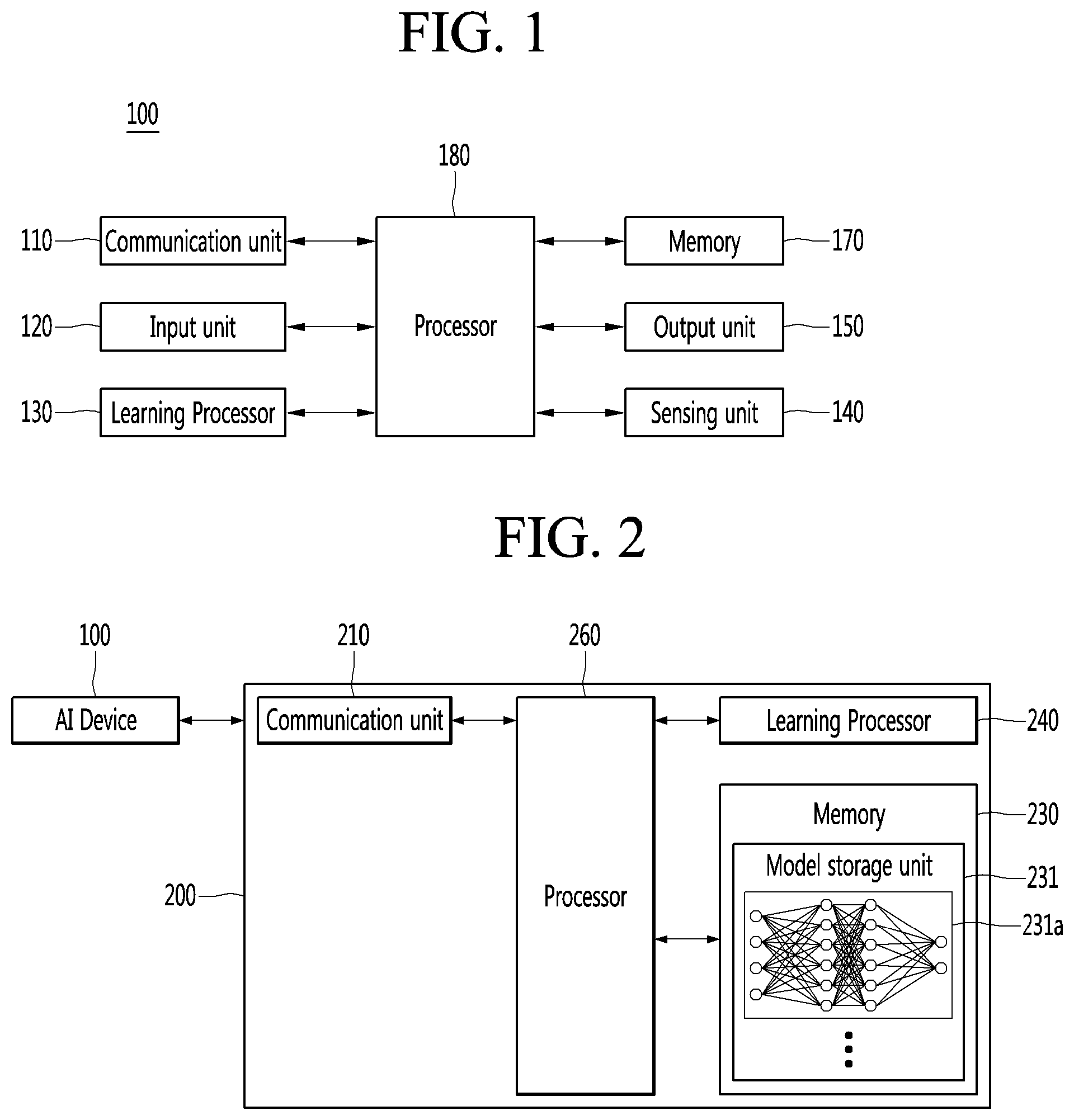
FIG. 1 illustrates an AI device 100 according to an embodiment.

[0012]
FIG. 2 illustrates an AI server 200 according to an embodiment.

[0013]
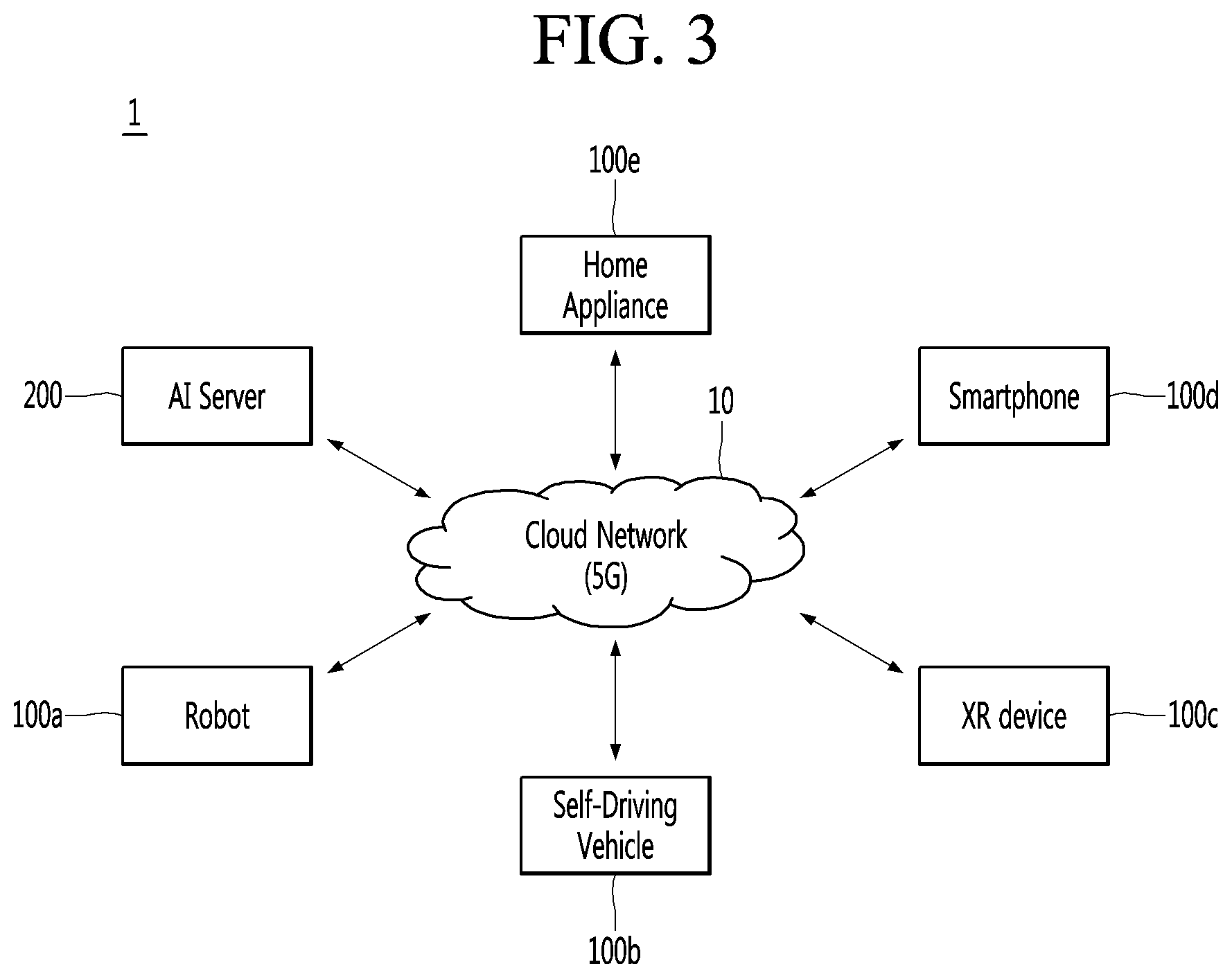
FIG. 3 illustrates an AI system 1 according to an embodiment.

[0014]
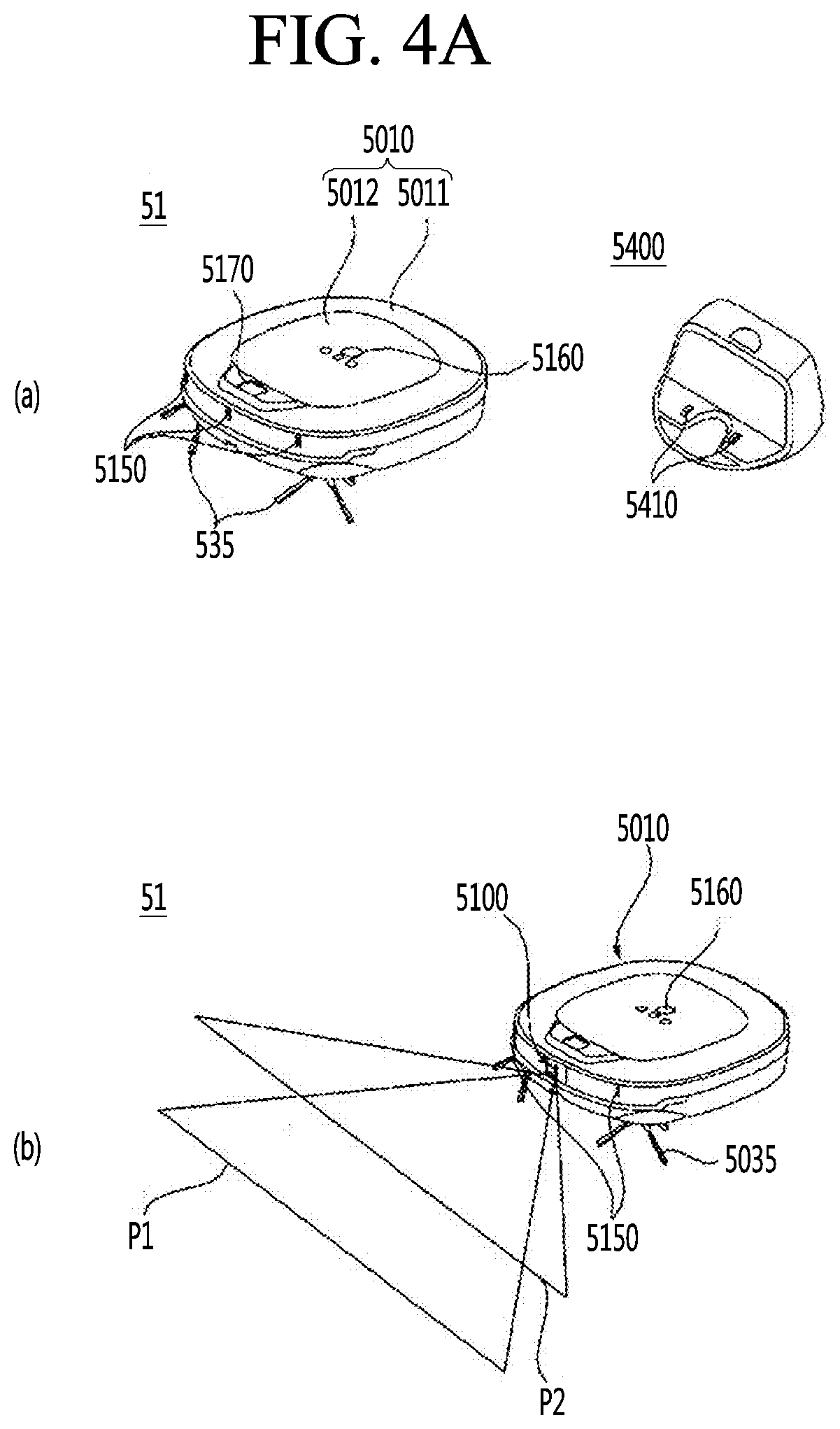
FIG. 4A is a perspective view of a robot cleaner according to an embodiment.

[0015]
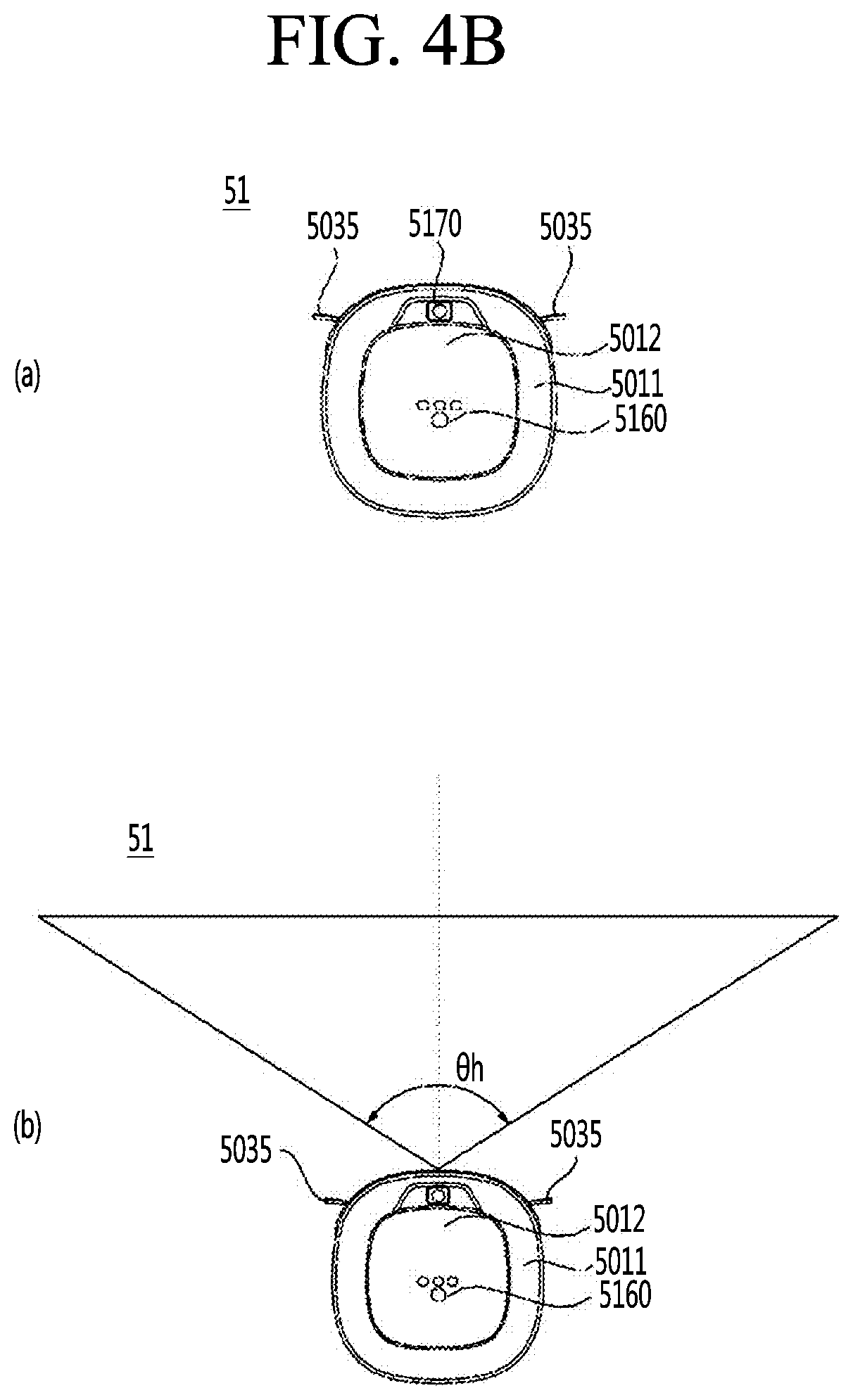
FIG. 4B illustrates a horizontal angle of view of the robot cleaner of FIG. 4A .

[0016]
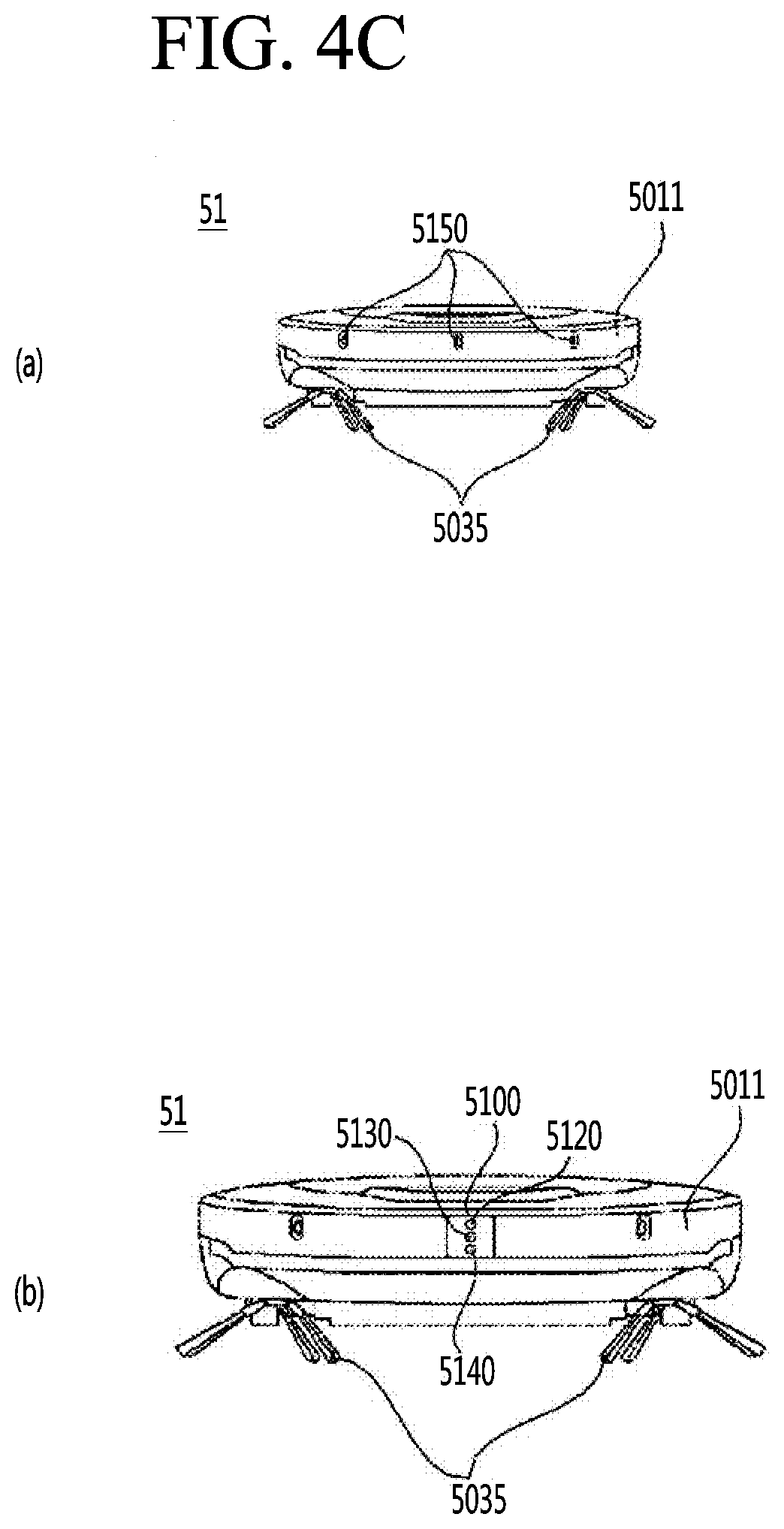
FIG. 4C is a front view of the robot cleaner of FIG. 4A .

[0017]
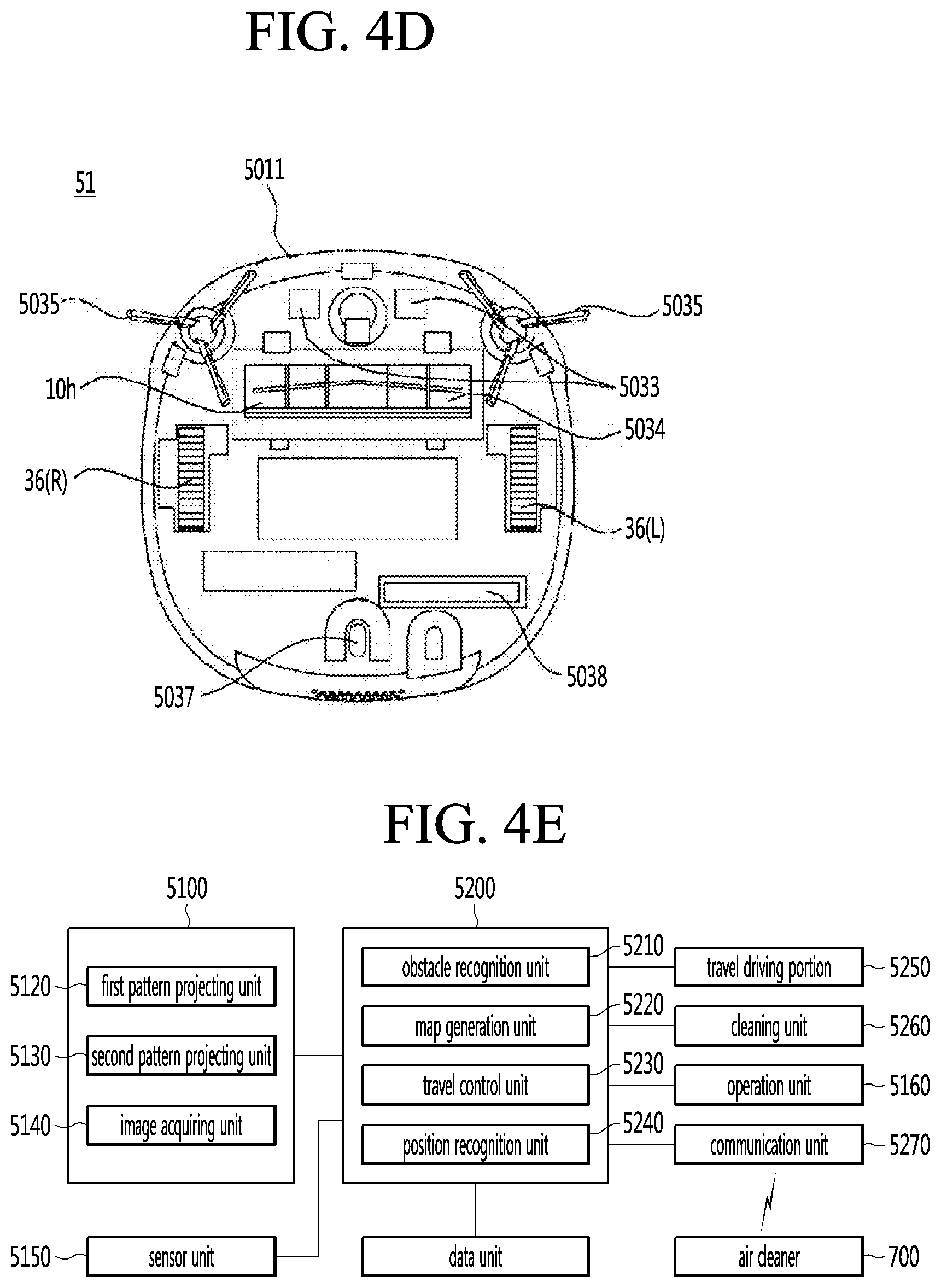
FIG. 4D illustrates a bottom surface of the robot cleaner of FIG. 4A .

[0018]
FIG. 4E is a block diagram illustrating a main parts of the robot cleaner according to an embodiment.

[0019]
FIG. 5 is a view describing a method of operating a moving agent 100 according to the embodiments.

[0020]
FIG. 6 is a view describing a method of generating an artificial intelligence model according to the embodiments.

[0021]
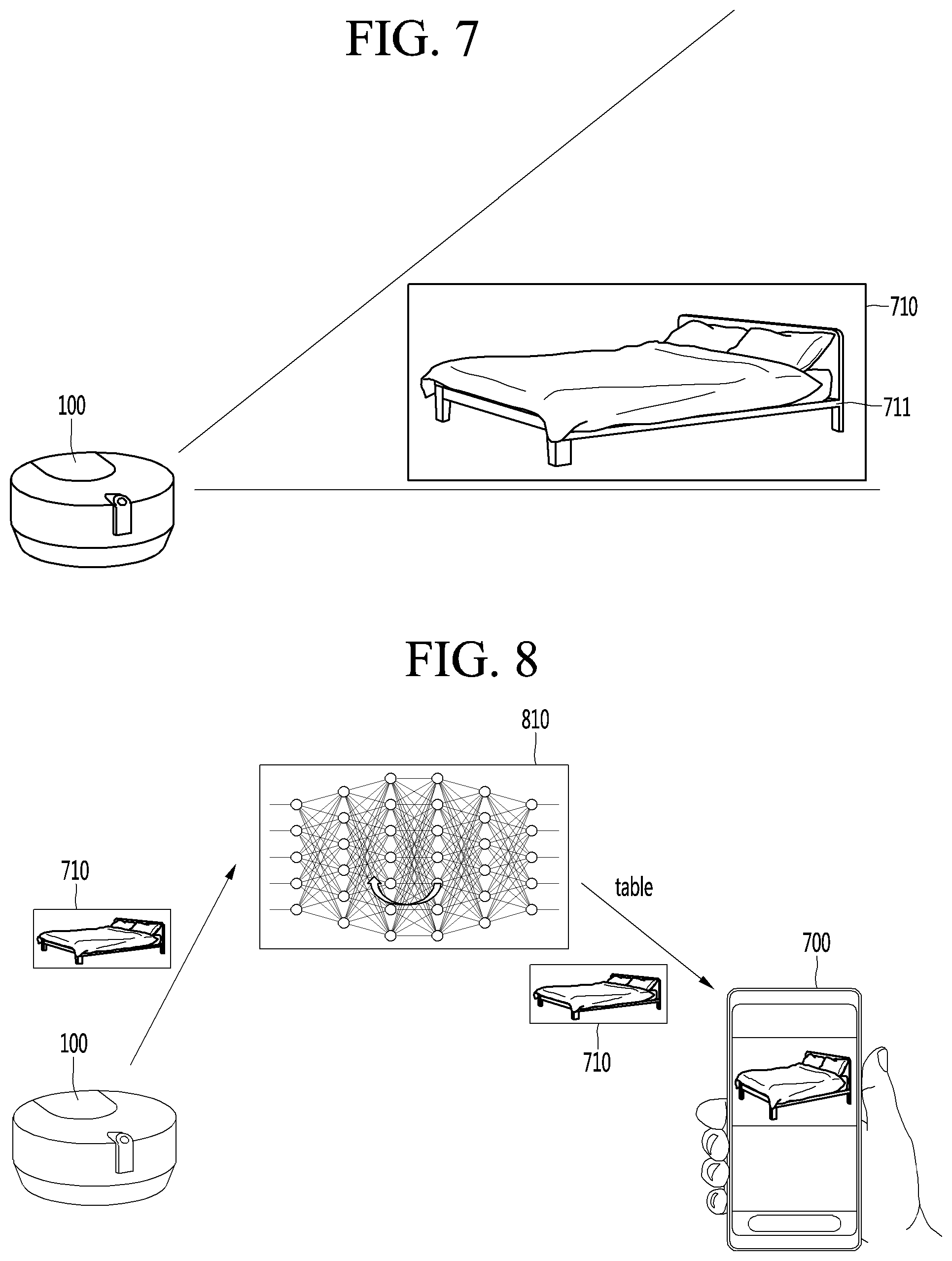
FIGS. 7 and 8 are views describing a method of acquiring type information of an object by photographing the object and by using an image obtained by photographing the object, according to the embodiments.

[0022]
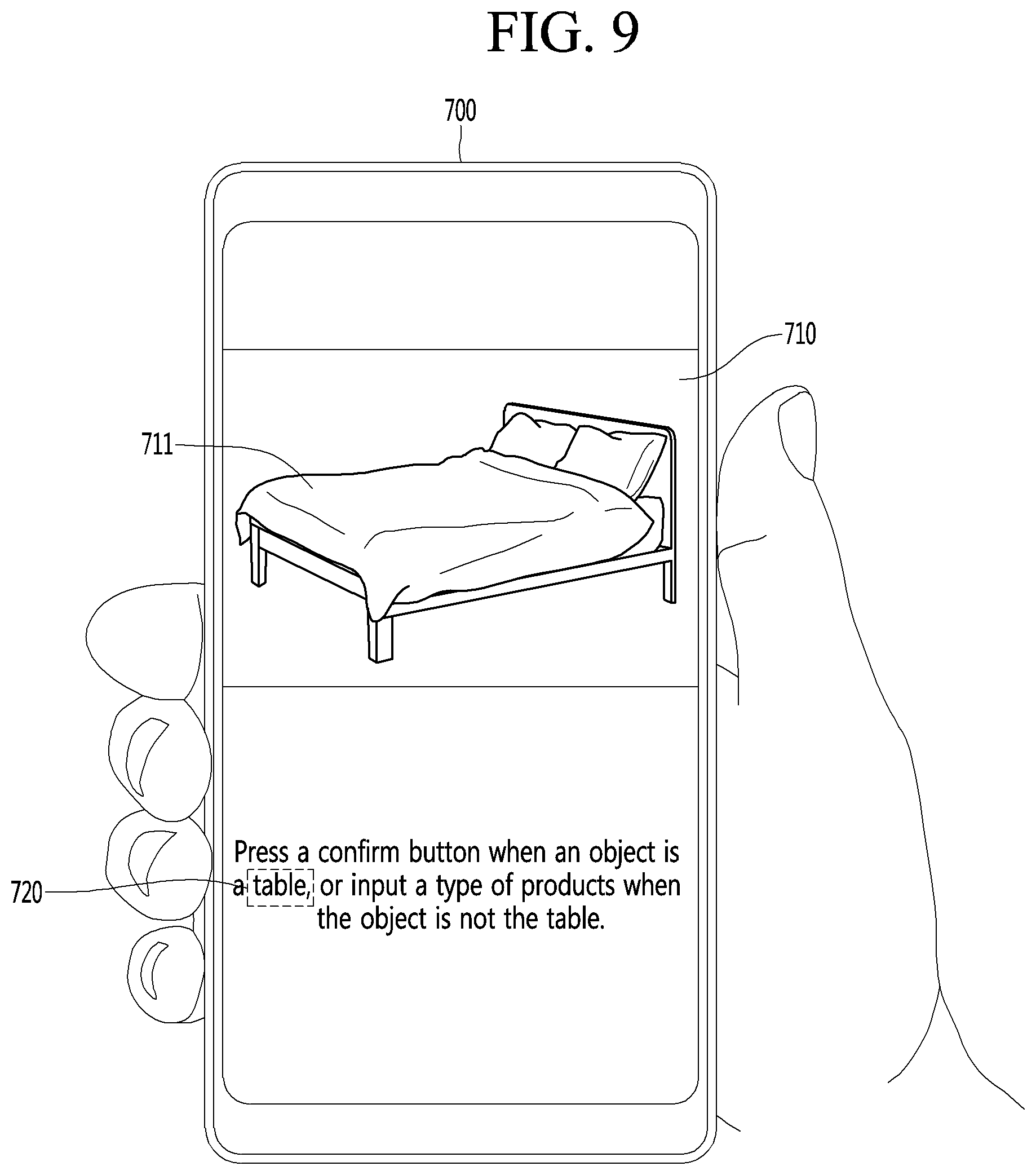
FIG. 9 is a view describing a method of receiving correction type information according to the embodiments.

[0023]
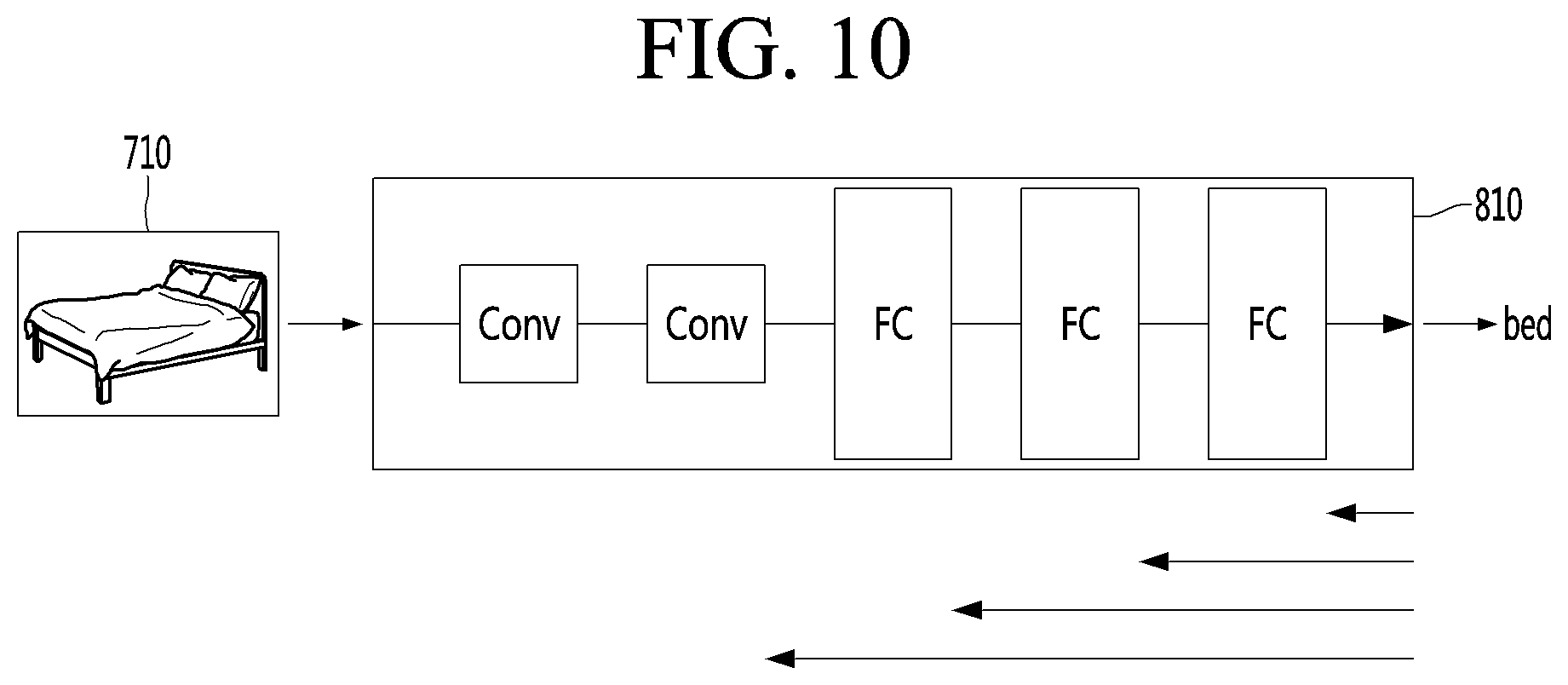
FIG. 10 is a view describing a method of training an artificial intelligence model 810 by using a received feedback.

[0024]
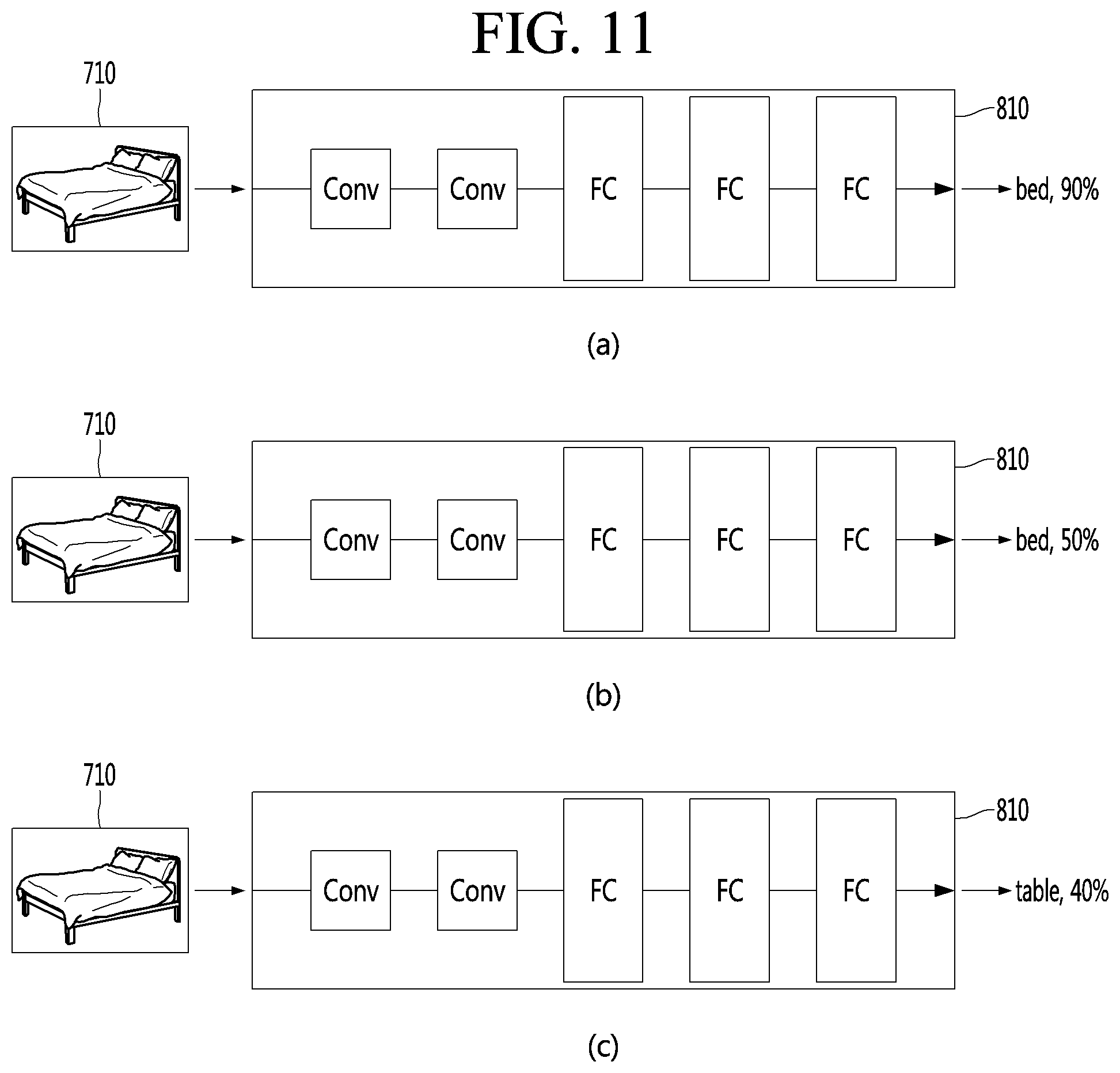
FIG. 11 is a view describing a condition for transmitting the image obtained by photographing the object and type information of the object, according to the embodiments.

[0025]
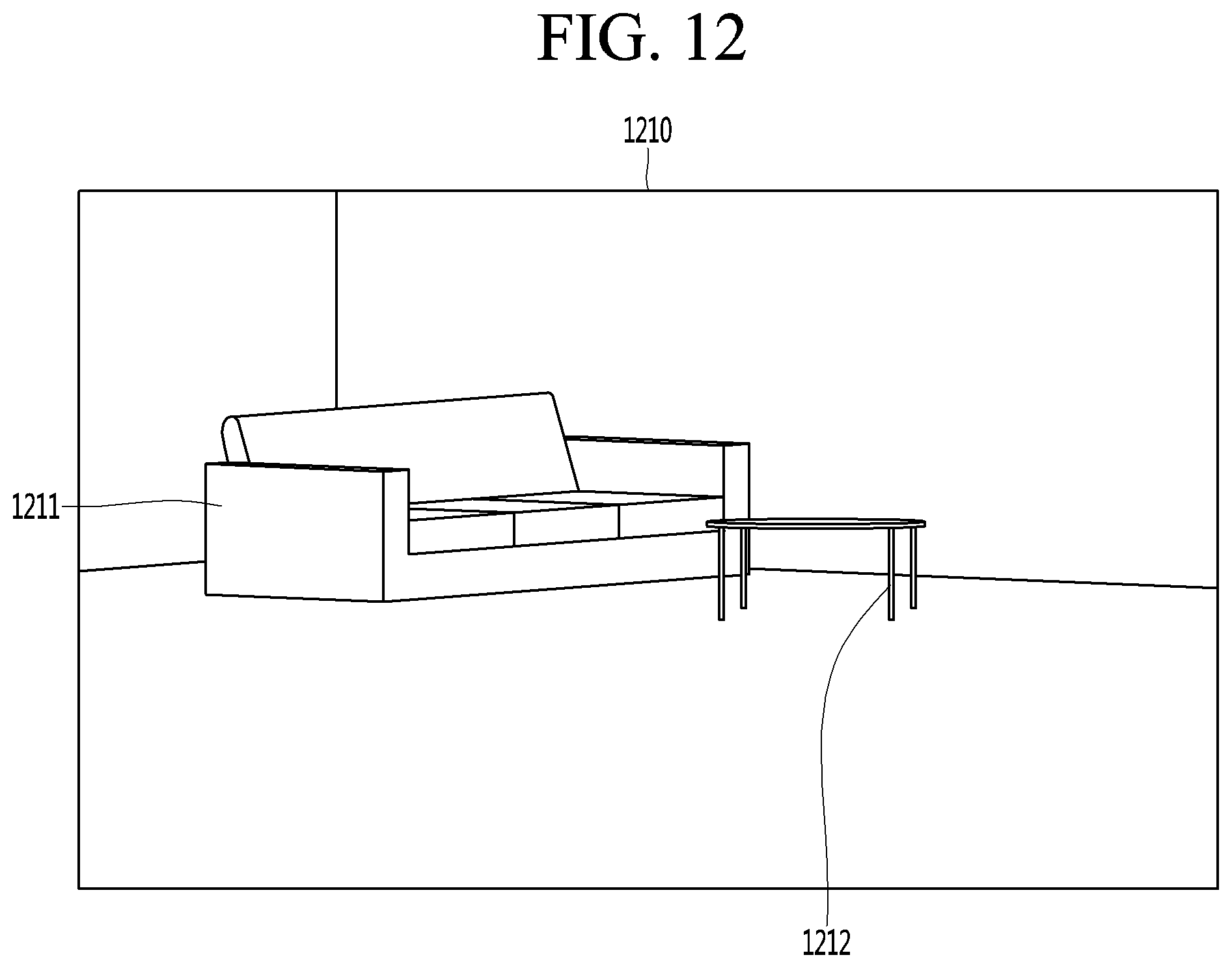
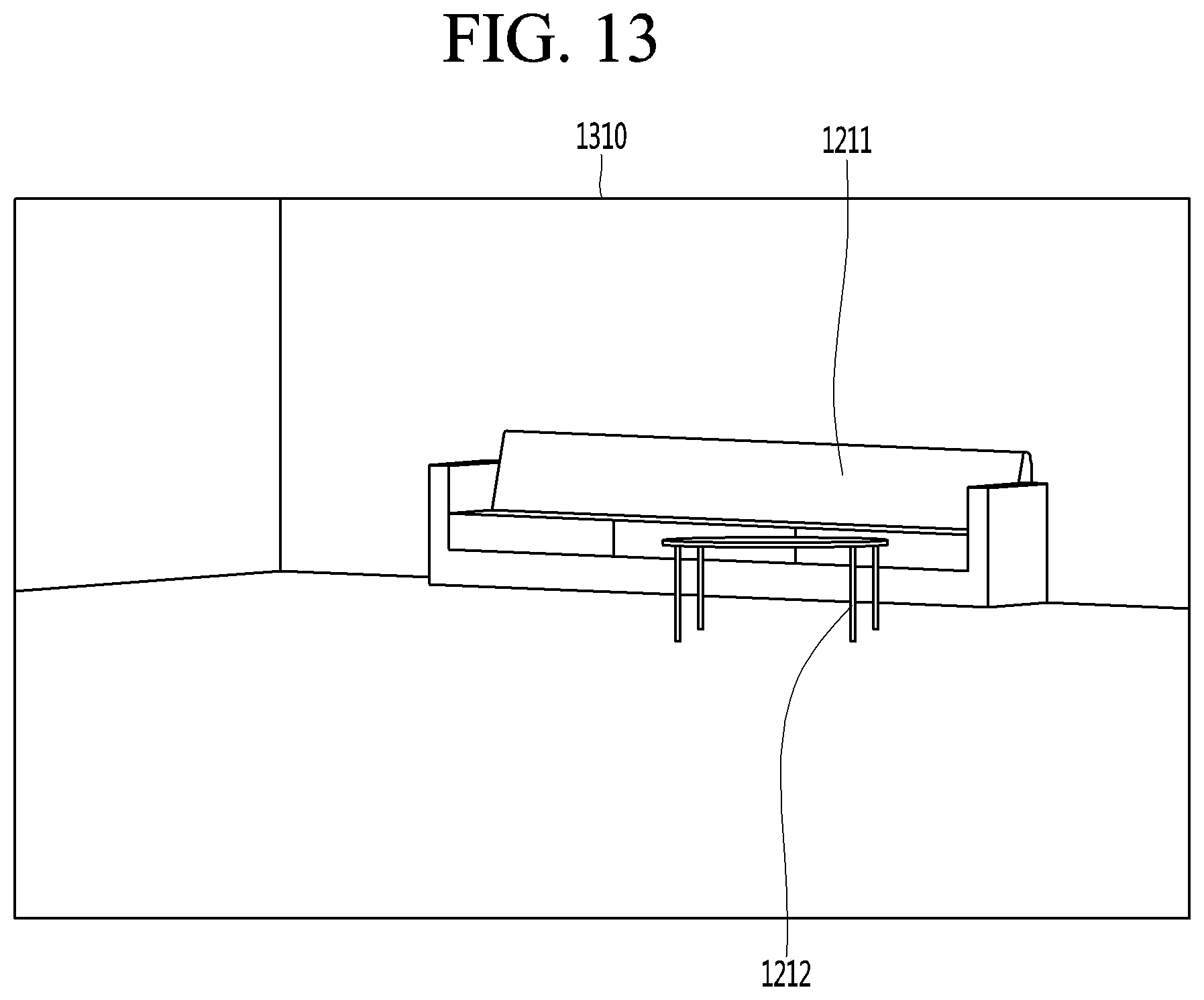
FIGS. 12 and 13 are views describing a situation of re-training the artificial intelligence model by using a feedback, according to the embodiments.

DETAILED DESCRIPTION OF THE EMBODIMENTS
[0026]
Hereinafter, embodiments of the present disclosure are described in more detail with reference to accompanying drawings and regardless of the drawings symbols, same or similar components are assigned with the same reference numerals and thus overlapping descriptions for those are omitted. The suffixes “module” and “unit” for components used in the description below are assigned or mixed in consideration of easiness in writing the specification and do not have distinctive meanings or roles by themselves. In the following description, detailed descriptions of well-known functions or constructions will be omitted since they would obscure the invention in unnecessary detail. Additionally, the accompanying drawings are used to help easily understanding embodiments disclosed herein but the technical idea of the present disclosure is not limited thereto. It should be understood that all of variations, equivalents or substitutes contained in the concept and technical scope of the present disclosure are also included.

[0027]
It will be understood that the terms “first” and “second” are used herein to describe various components but these components should not be limited by these terms. These terms are used only to distinguish one component from other components.

[0028]
In this disclosure below, when one part (or element, device, etc.) is referred to as being ‘connected’ to another part (or element, device, etc.), it should be understood that the former can be ‘directly connected’ to the latter, or ‘electrically connected’ to the latter via an intervening part (or element, device, etc.). It will be further understood that when one component is re…
Чертежи

Галерея графических материалов, полученных по документу.

Чертеж 1
Файл: /media/National/US/A1/2019/12/26/20190392254/00000002.tif/png
Размер: 163x170
Чертеж 2
Файл: /media/National/US/A1/2019/12/26/20190392254/00000003.tif/png
Размер: 151x120
Чертеж 3
Файл: /media/National/US/A1/2019/12/26/20190392254/00000004.tif/png
Размер: 102x173
Чертеж 4
Файл: /media/National/US/A1/2019/12/26/20190392254/00000005.tif/png
Размер: 103x168
Чертеж 5
Файл: /media/National/US/A1/2019/12/26/20190392254/00000006.tif/png
Размер: 88x172
Чертеж 6
Файл: /media/National/US/A1/2019/12/26/20190392254/00000007.tif/png
Размер: 146x199
Чертеж 7
Файл: /media/National/US/A1/2019/12/26/20190392254/00000008.tif/png
Размер: 86x115
Чертеж 8
Файл: /media/National/US/A1/2019/12/26/20190392254/00000009.tif/png
Размер: 152x209
Чертеж 9
Файл: /media/National/US/A1/2019/12/26/20190392254/00000010.tif/png
Размер: 163x216
Чертеж 10
Файл: /media/National/US/A1/2019/12/26/20190392254/00000011.tif/png
Размер: 156x176
Чертеж 11
Файл: /media/National/US/A1/2019/12/26/20190392254/00000012.tif/png
Размер: 156x68
Чертеж 12
Файл: /media/National/US/A1/2019/12/26/20190392254/00000013.tif/png
Размер: 165x158
Чертеж 13
Файл: /media/National/US/A1/2019/12/26/20190392254/00000014.tif/png
Размер: 160x126
Чертеж 14
Файл: /media/National/US/A1/2019/12/26/20190392254/00000015.tif/png
Размер: 152x126