Artificial intelligence device and method of operating artificial intelligence device
Классификация
МПК
-
G10L15/22
Раздел G
Класс 10
Подкласс L -
G08B3/10
Раздел G
Класс 08
Подкласс B -
G10L25/60
Раздел G
Класс 10
Подкласс L -
H04L12/28
Раздел H
Класс 04
Подкласс L -
G10L15/30
Раздел G
Класс 10
Подкласс L -
G06N20/00
Раздел G
Класс 06
Подкласс N -
G10L15/08
Раздел G
Класс 10
Подкласс L
CPC / СПК
-
G10L15/22
Раздел G
Класс 10
Подкласс L -
G08B3/10
Раздел G
Класс 08
Подкласс B -
G10L15/30
Раздел G
Класс 10
Подкласс L -
G10L25/60
Раздел G
Класс 10
Подкласс L -
H04L12/2823
Раздел H
Класс 04
Подкласс L -
G06N20/00
Раздел G
Класс 06
Подкласс N -
G10L2015/088
Раздел G
Класс 10
Подкласс L -
G10L2015/223
Раздел G
Класс 10
Подкласс L
Служебные сведения
Участники
Заявители
- LG ELECTRONICS INC.
Авторы / изобретатели
- Jongwoo Han
- Hangil Jeong
Патентообладатели
- LG ELECTRONICS INC.
Реферат
[0000]
An artificial intelligence device includes a microphone configured to receive a speech command, a speaker, a communication unit configured to perform communication with an external artificial intelligence device, and a processor configured to receive a wake-up command through the microphone, acquire a first speech quality level of the received wake-up command, receive a second speech quality level of the wake-up command input to the external artificial intelligence device from the external artificial intelligence device through the communication unit, output a notification indicating that the artificial intelligence device is selected as an object to be controlled through the speaker, when the first speech quality level is larger than the second speech quality level, receive an operation command through the microphone, acquire an intention of the received operation command and transmit the operation command to an external artificial intelligence device which will perform operation corresponding to the operation command according to the acquired intention through the communication unit.
Формула
1. An artificial intelligence device comprising:
a microphone configured to receive an operation command from a user;
a speaker;
a transceiver configured to perform communication with a first external artificial intelligence device and a second external artificial intelligence device; and
a processor configured to:
receive a wake-up command through the microphone, wherein the wake-up command is also received by the first external artificial intelligence device,
acquire a first speech quality level of the received wake-up command,
receive a second speech quality level of the wake-up command received by the first external artificial intelligence device from the first external artificial intelligence device through the transceiver,
output, via the speaker, a notification indicating that the artificial intelligence device is selected as an object to be controlled based on the first speech quality level being higher than the second speech quality level,
receive the operation command through the microphone,
acquire an intention of the received operation command,
measure a distance between a position of the user and the artificial intelligence device, and
adjust an appropriate volume range of the operation command with an upper limit value and a lower limit value for receiving operation commands from the user using the measured distance, wherein the appropriate volume range is a range of a volume required to perform an action for the operation command.
2. The artificial intelligence device according to
claim 1
, wherein each of the first speech quality level and the second speech quality level is any one of a ratio of power of a keyword speech of the wake-up command to power of ambient noise or a ratio of a signal of a keyword speech section to a signal of a noise section.
3. The artificial intelligence device according to
claim 1
, wherein the processor is further configured to transmit, to the first external artificial intelligence device, a message indicating that the first external artificial intelligence device is selected as the object to be controlled through the transceiver based on the first speech quality level being smaller than the second speech quality level.
4. The artificial intelligence device according to
claim 1
, wherein the processor is further configured to maintain the artificial intelligence device in a deactivation state based on the first speech quality level being smaller than the second speech quality level, wherein the deactivation state corresponds to a state in which the first external artificial intelligence device does not respond to operation commands.
5. The artificial intelligence device according to
claim 1
, wherein the processor is further configured to: transmit the received operation command to a natural language processing server, receive an intention analysis result from the natural language processing server, and acquire the intention of the received operation command based on the received intention analysis result.
6. The artificial intelligence device according to
claim 5
, wherein the intention analysis result includes the second external artificial intelligence device which will perform the received operation command and operation which needs to be performed by the second external artificial intelligence device.
7. A method of operating an artificial intelligence device, the method comprising:
receiving a wake-up command from a user, wherein the wake-up command is also received by a first external artificial intelligence device;
acquiring a first speech quality level of the received wake-up command;
receiving a second speech quality level of the wake-up command received by the first external artificial intelligence device from the first external artificial intelligence device;
outputting a notification indicating that the artificial intelligence device is selected as an object to be controlled based on the first speech quality level being higher than the second speech quality level;
receiving an operation command;
acquiring an intention of the received operation command;
measuring a distance between a position of the user and the artificial intelligence device; and
adjusting an appropriate volume range of the operation command with an upper limit value and a lower limit value for receiving operation commands from the user using the measured distance, wherein the appropriate volume range is a range of a volume required to perform an action for the operation command.
8. The method according to
claim 7
, wherein each of the first speech quality level and the second speech quality level is any one of a ratio of power of a keyword speech of the wake-up command to power of ambient noise or a ratio of a signal of a keyword speech section to a signal of a noise section.
9. The method according to
claim 7
, further comprising transmitting, to the first external artificial intelligence device, a message indicating that the first external artificial intelligence device is selected as the object to be controlled based on the first speech quality level being smaller than the second speech quality level.
10. The method according to
claim 7
, further comprising maintaining the artificial intelligence device in a deactivation state based on the first speech quality level being smaller than the second speech quality level, wherein the deactivation state corresponds to a state in which the first external artificial intelligence device does not respond to operation commands.
11. The method according to
claim 7
, wherein the acquiring of the intention further comprises:
transmitting the received operation command to a natural language processing server,
receiving an intention analysis result from the natural language processing server, and
acquiring the intention of the received operation command based on the received intention analysis result.
Описание
CROSS-REFERENCE TO RELATED APPLICATIONS
[0001]
This application is the National Stage filing under 35 U.S.C. 371 of International Application No. PCT/KR2019/003584, filed on Mar. 27, 2019, the contents of which are hereby incorporated by reference herein its entirety.
TECHNICAL FIELD
[0002]
The present invention relates to an artificial intelligence device and, more particularly, to an artificial intelligence device capable of selecting a device to be activated in response to a wake-up command of a user.
BACKGROUND ART
[0003]
Competition for speech recognition technology which has started in smartphones is expected to become fiercer in the home with diffusion of the Internet of things (IoT).
[0004]
In particular, an artificial intelligence (AI) device capable of issuing a command using speech and having a talk is noteworthy.
[0005]
A speech recognition service has a structure for selecting an optimal answer to a user's question using a vast amount of database.
[0006]
A speech search function refers to a method of converting input speech data into text in a cloud server, analyzing the text and retransmitting a real-time search result to a device.
[0007]
The cloud server has a computing capability capable of dividing a large number of words into speech data according to gender, age and intonation and storing and processing the speech data in real time.
[0008]
As more speech data is accumulated, speech recognition will be accurate, thereby achieving human parity.
[0009]
Recently, a plurality of artificial intelligence devices capable of performing speech recognition is located in the home.
[0010]
In order to select an artificial intelligence device to be controlled, a user utters a wake-up command for activating the artificial intelligence device.
[0011]
However, when the plurality of artificial intelligence devices is located in the home, the plurality of artificial intelligence devices may be activated in response to the wake-up command uttered by the user, thereby making it difficult for the user to select the device to be controlled.
DISCLOSURE Technical Problem
[0012]
An object of the present invention is to solve the above-described problem and the other problems.
[0013]
Another object of the present invention is to provide an artificial intelligence device capable of selecting a device to be controlled from among a plurality of artificial intelligence devices using speech quality of a wake-up command uttered by a user.
[0014]
Another object of the present invention is to provide an artificial intelligence device capable of selecting a device to be controlled from among a plurality of artificial intelligence devices according to the volume of a wake-up command uttered by the user.
Technical Solution
[0015]
An artificial intelligence device according to an embodiment of the present invention can compare first speech quality of a wake-up command received thereby with second speech quality of a wake-up command received from an external artificial intelligence device, thereby selecting a device which has received the wake-up command having better quality.
[0016]
An artificial intelligence device according to an embodiment of the present invention can determine whether a volume of a wake-up command is within an appropriate utterance volume range and select the artificial intelligence device itself as a device to be controlled when the volume is within the appropriate utterance volume range.
[0017]
Further scope of applicability of the present invention will become apparent from the following detailed description. It should be understood, however, that the detailed description and specific examples, such as preferred embodiments of the invention, are given by way of illustration only, since various changes and modifications within the spirit and scope of the invention will become apparent to those skilled in the art.
Advantageous Effects
[0018]
According to the embodiment of the present invention, since a device to be controlled is selected according to speech quality of a wake-up command, a user can more easily select the device to be controlled.
[0019]
According to the embodiment of the present invention, since the device to be controlled is selected according to the volume of the wake-up command, the user can select the device to be controlled without confusion, by only changing the volume of the their voice.
DESCRIPTION OF DRAWINGS
[0020]
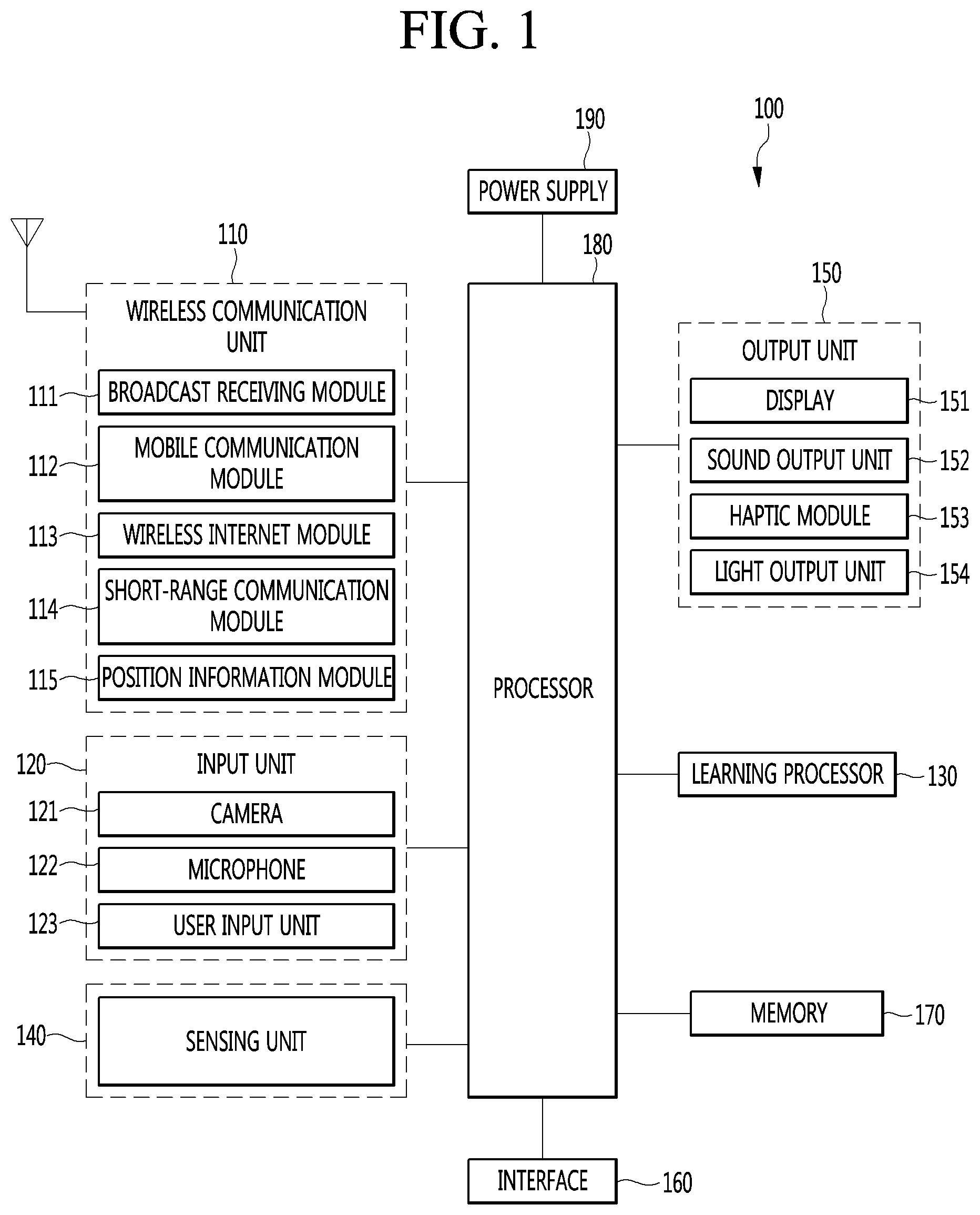
FIG. 1 is a block diagram illustrating an artificial intelligence device according to the present invention.
[0021]
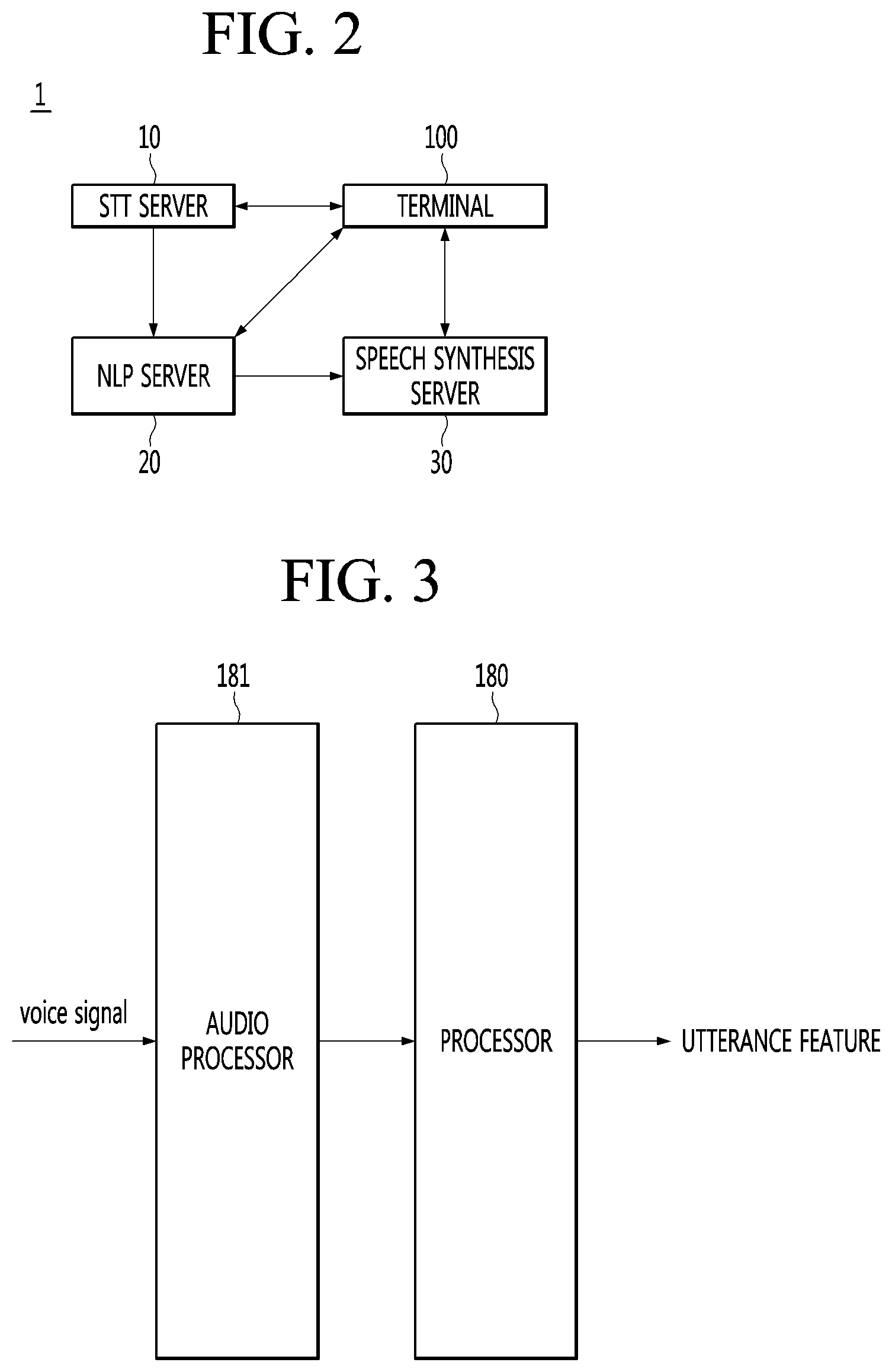
FIG. 2 is a diagram illustrating a speech system according to an embodiment of the present invention.
[0022]
FIG. 3 is a diagram illustrating a process of extracting utterance features of a user from a speech signal according to an embodiment of the present invention.
[0023]
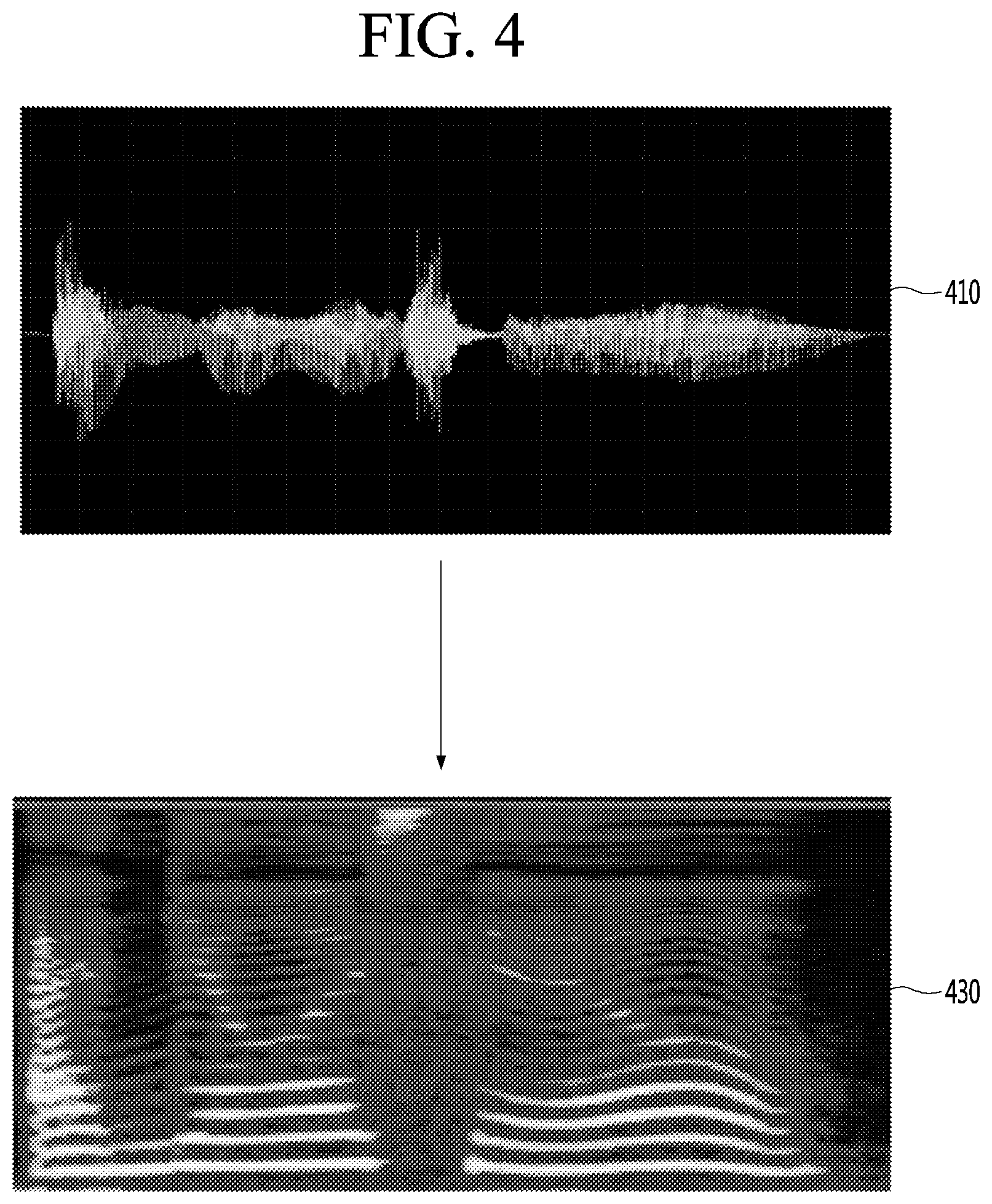
FIG. 4 is a diagram illustrating an example of converting a speech signal into a power spectrum according to an embodiment of the present invention.
[0024]
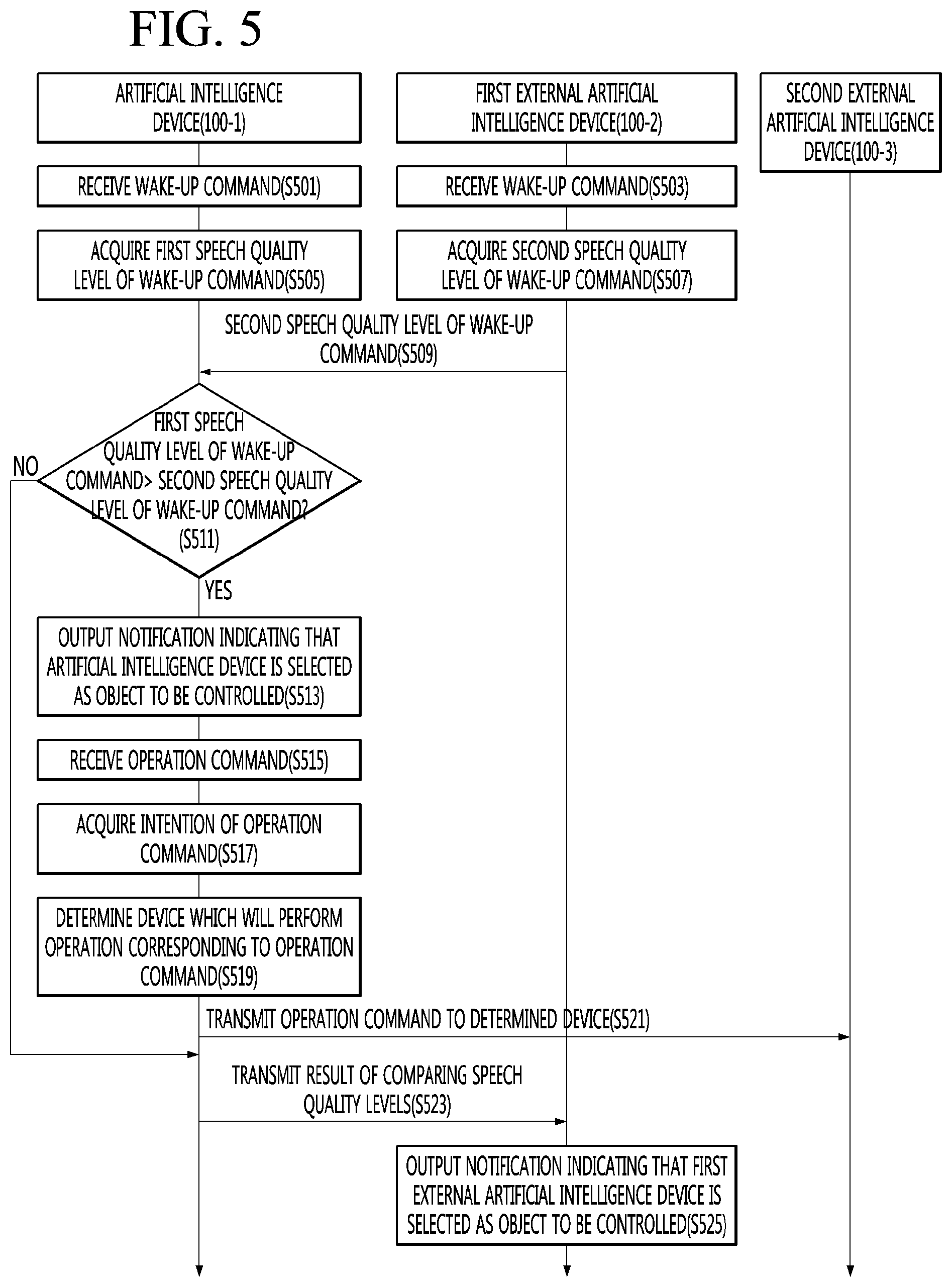
FIG. 5 is a diagram illustrating a method of operating an artificial intelligence system according to an embodiment of the present invention.
[0025]
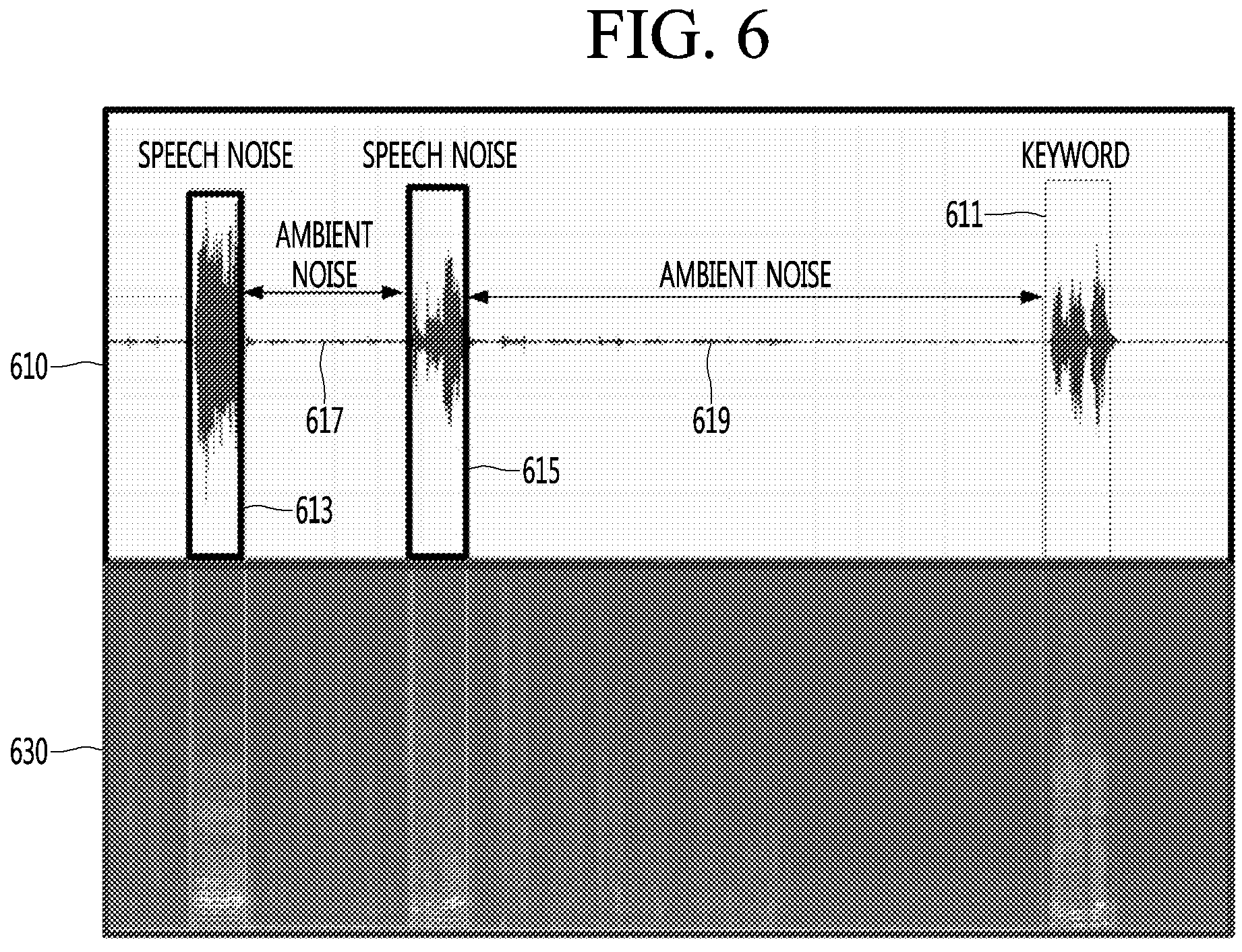
FIG. 6 is a diagram illustrating an example of measuring a speech quality level according to an embodiment of the present invention.
[0026]
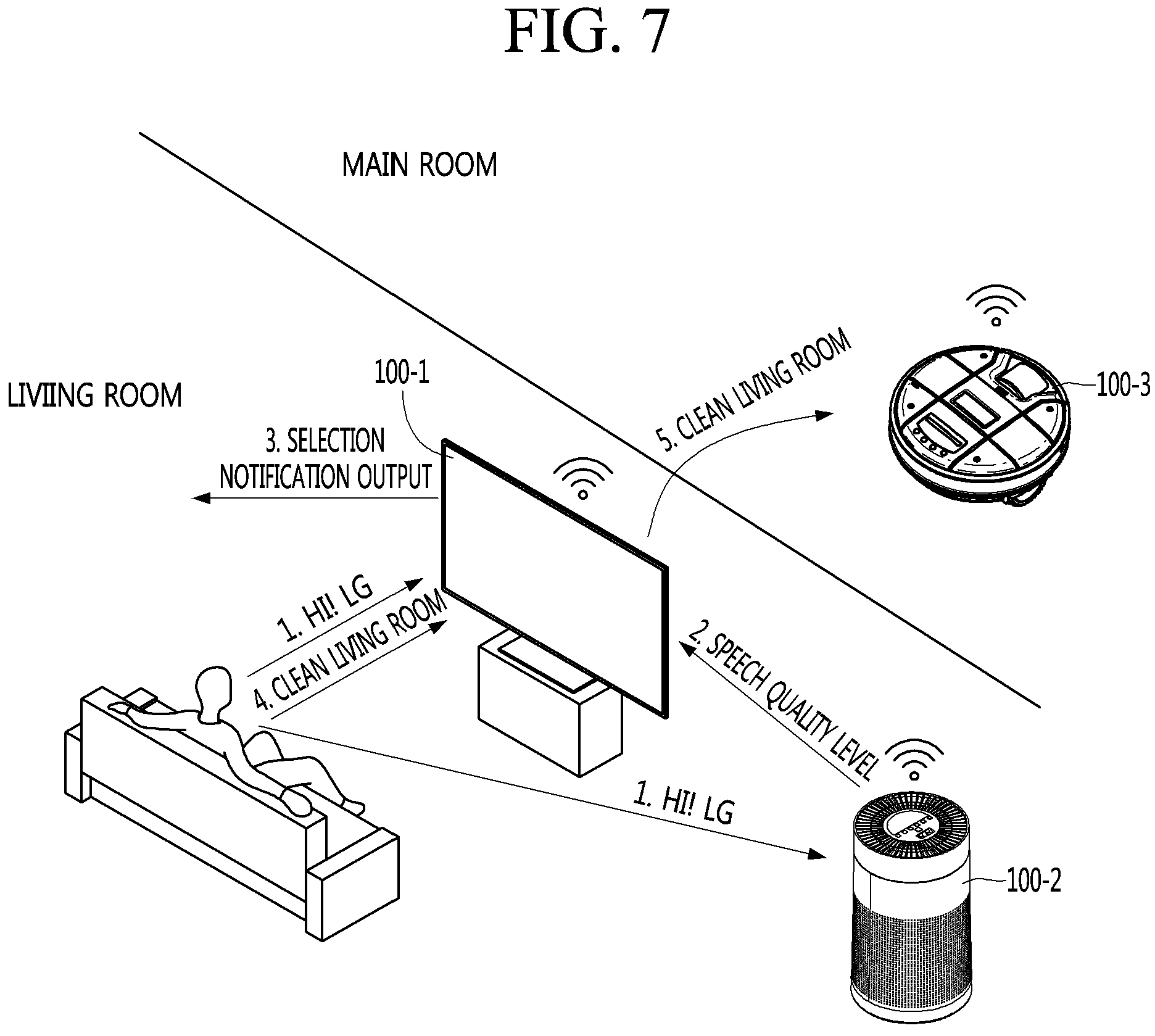
FIG. 7 is a diagram illustrating an actual use scenario of the method of operating the artificial intelligence system shown in FIG. 5 .
[0027]
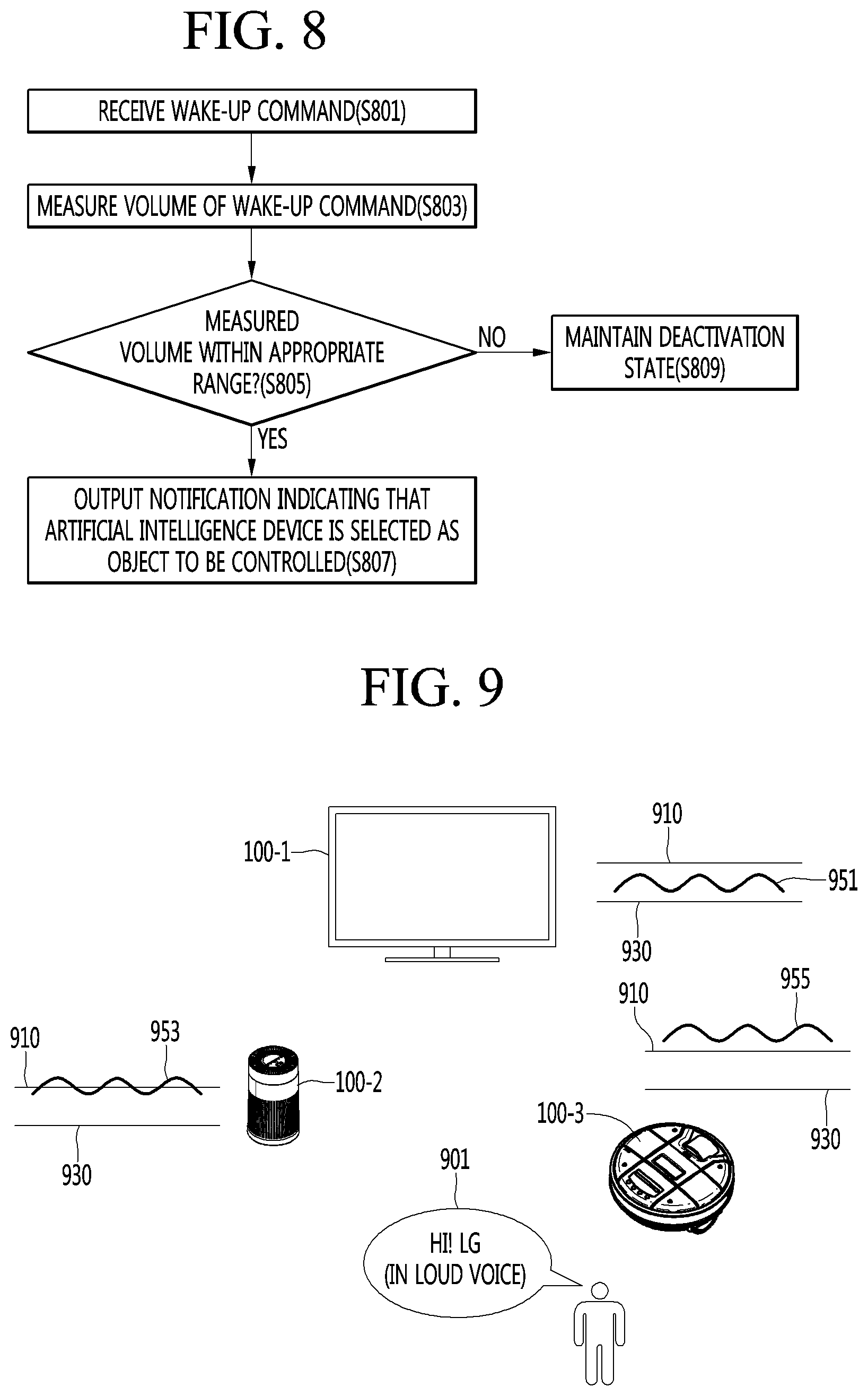
FIG. 8 is a flowchart illustrating a method of operating an artificial intelligence device according to an embodiment of the present invention.
[0028]
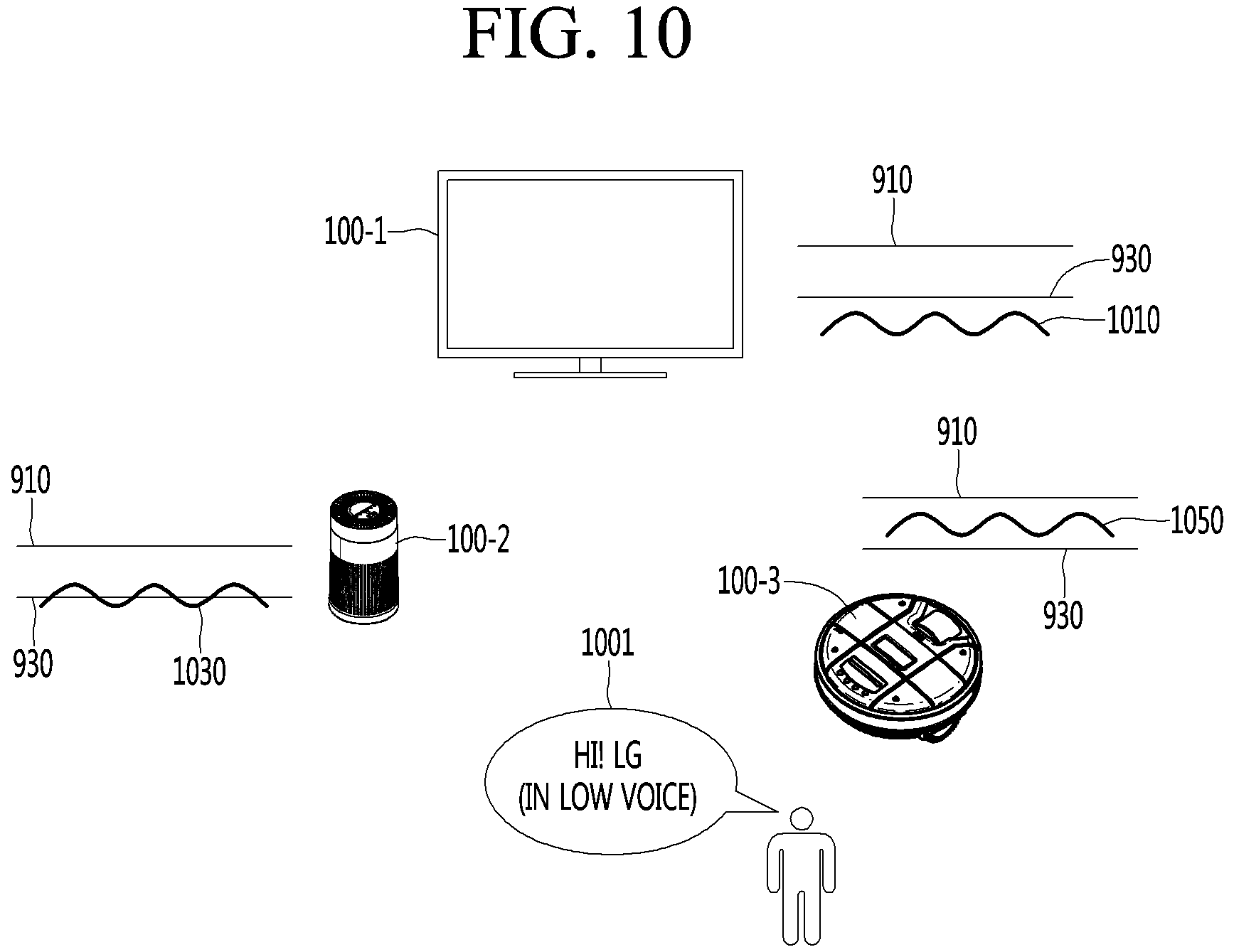
FIGS. 9 and 10 are diagrams illustrating a process of selecting any one device from among a plurality of artificial intelligence devices as an object to be controlled in response to a wake-up command of a user according to an embodiment of the present invention.
[0029]
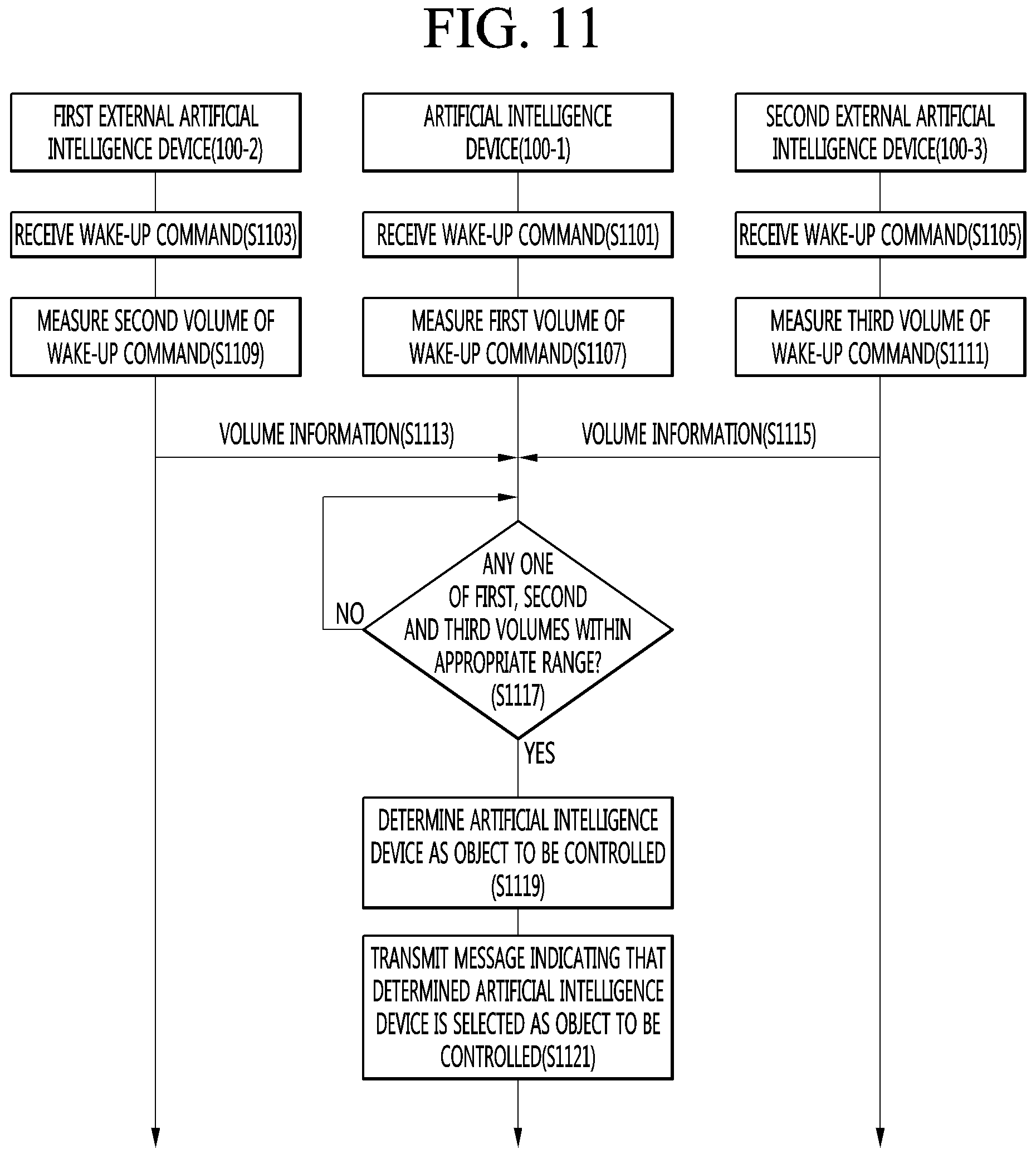
FIG. 11 is a ladder diagram illustrating a method of operating an artificial intelligence system according to another embodiment of the present invention.
[0030]
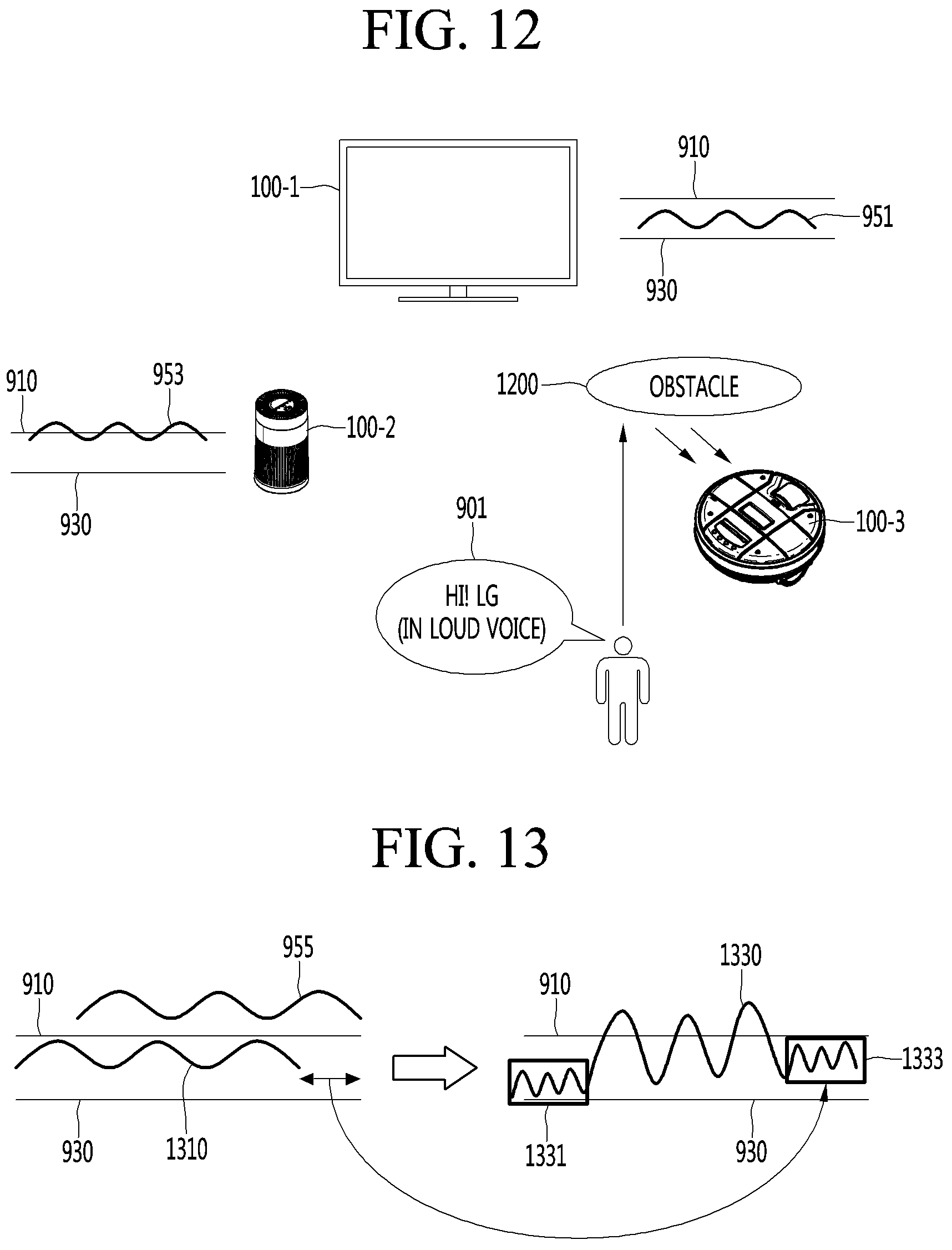
FIGS. 12 and 13 are diagrams illustrating a method of correcting the volume of a wake-up command when an obstacle is located between a user and an artificial intelligence device.
[0031]
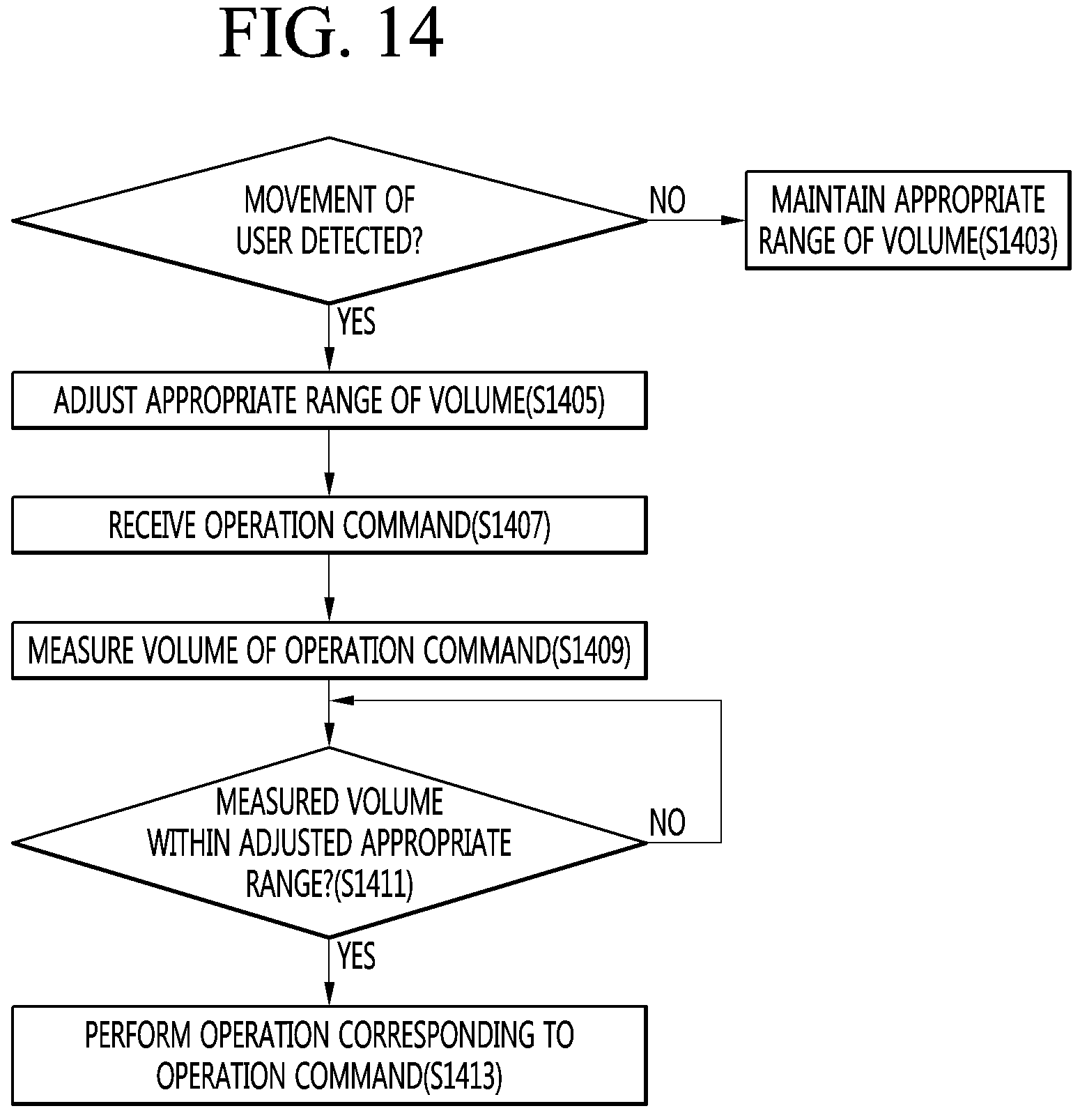
FIG. 14 is a flowchart illustrating a method of operating an artificial intelligence device according to another embodiment of the present invention.
[0032]
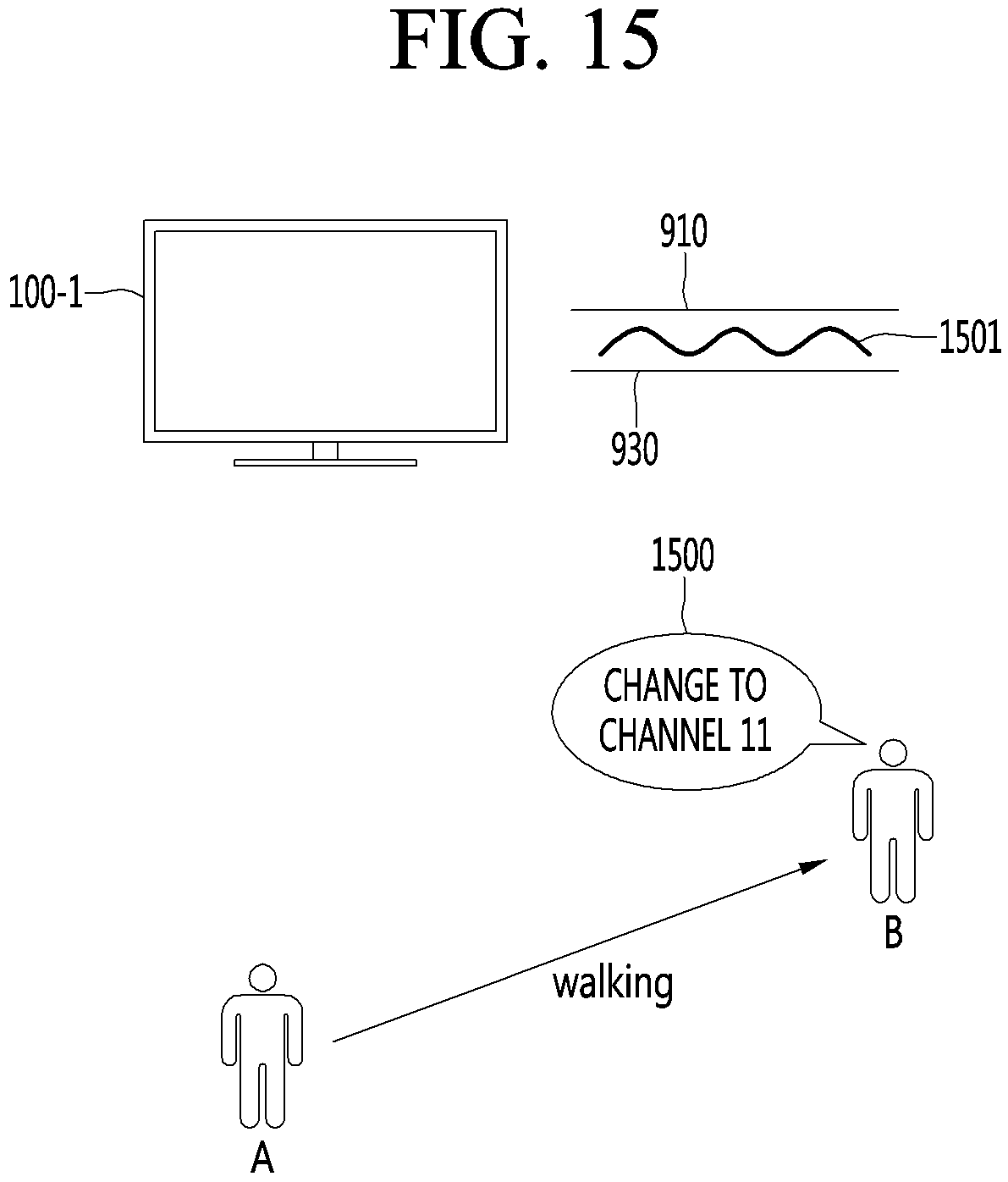
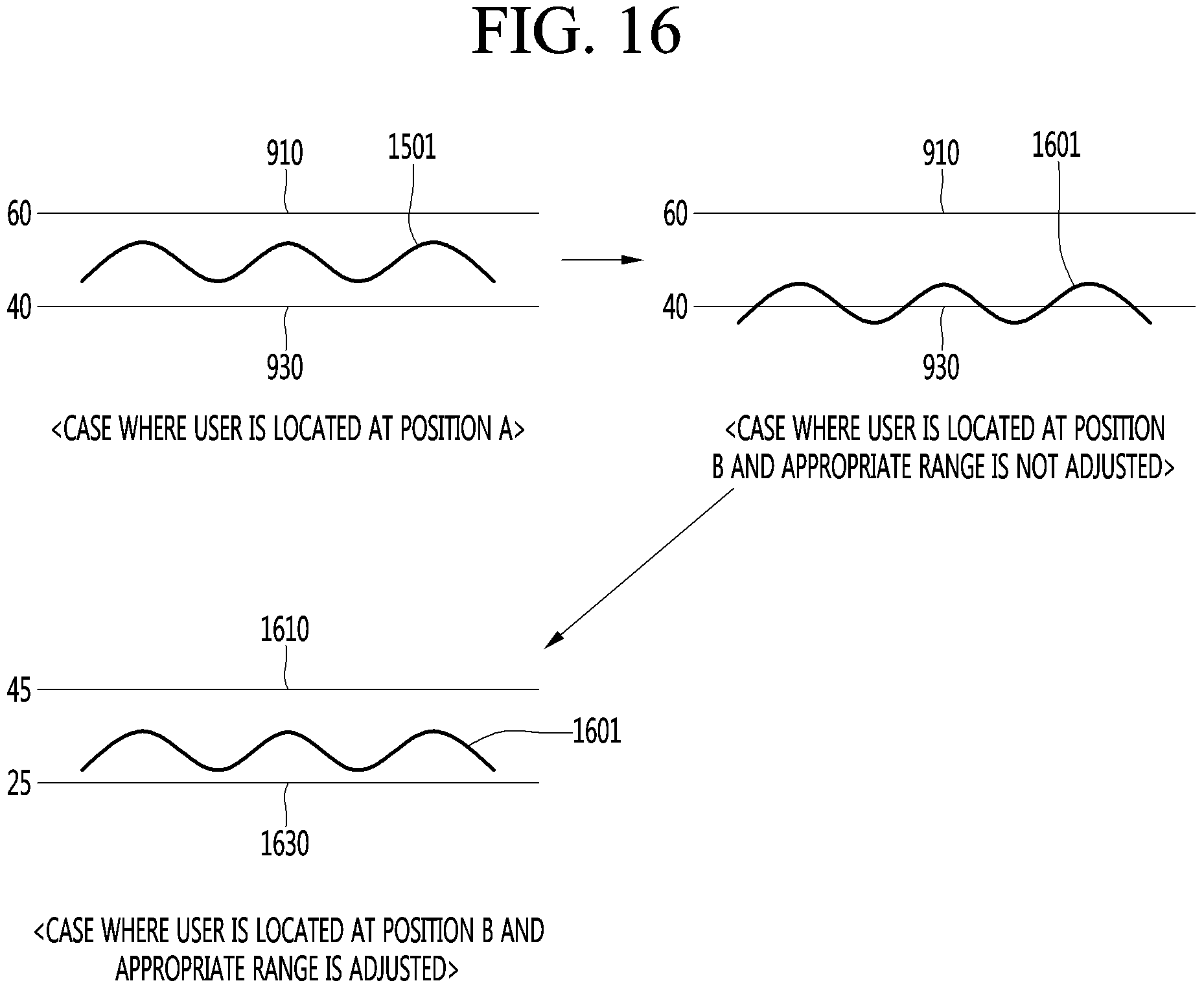
FIGS. 15 and 16 are diagrams illustrating a process of automatically adjusting an appropriate range of a volume according to user movement detection.
[0033]
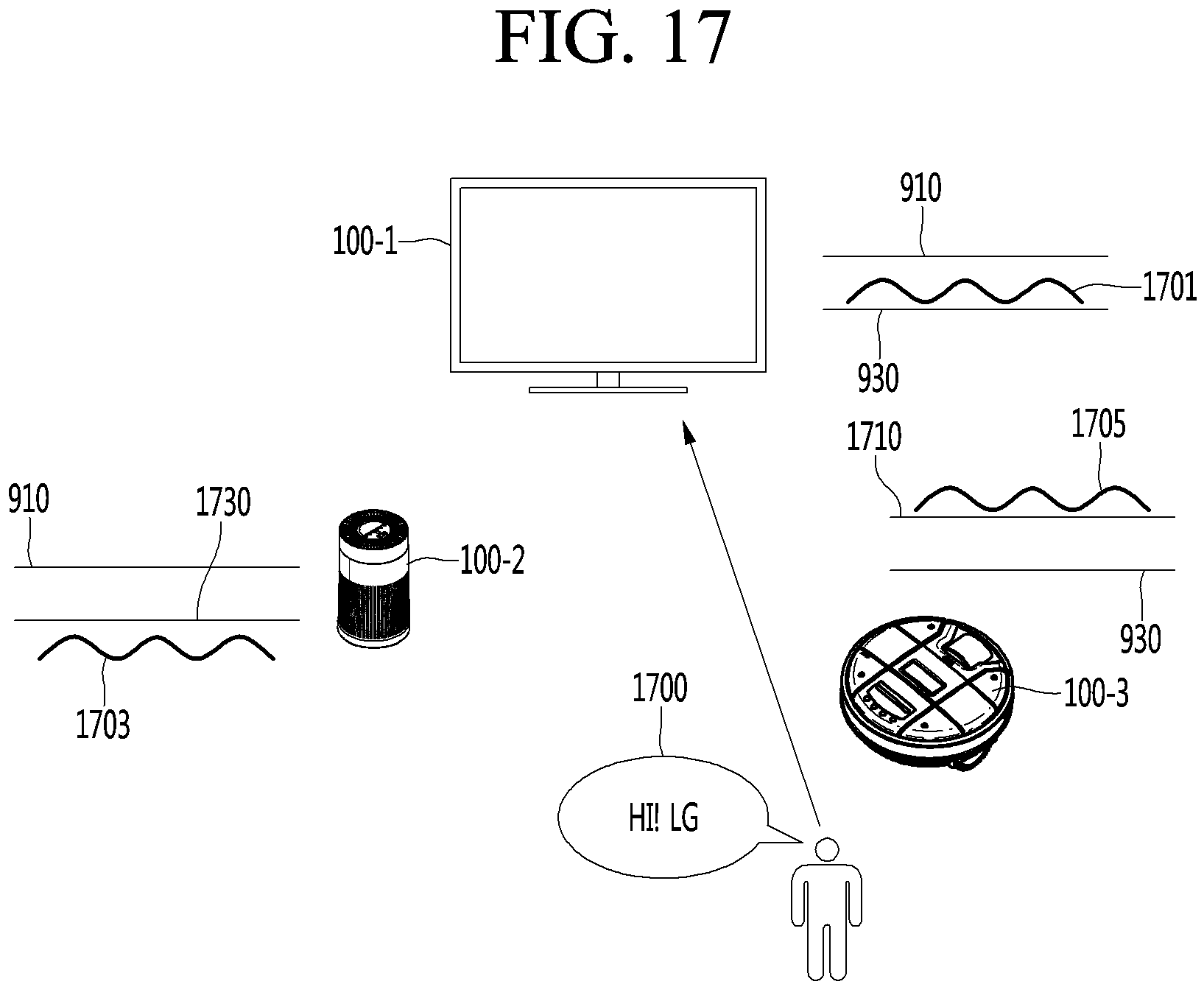
FIG. 17 is a diagram illustrating a process of registering an appropriate utterance volume range of each device when a plurality of artificial intelligence devices is disposed at fixed positions according to an embodiment of the present invention.
BEST MODE
[0034]
Description will now be given in detail according to exemplary embodiments disclosed herein, with reference to the accompanying drawings. For the sake of brief description with reference to the drawings, the same or …
Цитированные документы
704/275 European Patent Office Application Serial No. 19217448.0, Search Report dated Jul. 1, 2020, 9 pages. PCT International Application No. PCT/KR2019/003584, Written Opinion of the International Searching Authority dated Dec. 27, 2019, 8 pages.
Структурированные цитаты
- 704/275
- European Patent Office Application Serial No. 19217448.0, Search Report dated Jul. 1, 2020, 9 pages.
- PCT International Application No. PCT/KR2019/003584, Written Opinion of the International Searching Authority dated Dec. 27, 2019, 8 pages.
Чертежи
Галерея графических материалов, полученных по документу.
Размер: 158x196
Размер: 128x196
Размер: 137x166
Размер: 160x217
Размер: 156x120
Размер: 159x142
Размер: 139x223
Размер: 147x113
Размер: 157x176
Размер: 145x191
Размер: 131x136
Размер: 101x118
Размер: 157x130
Размер: 138x113